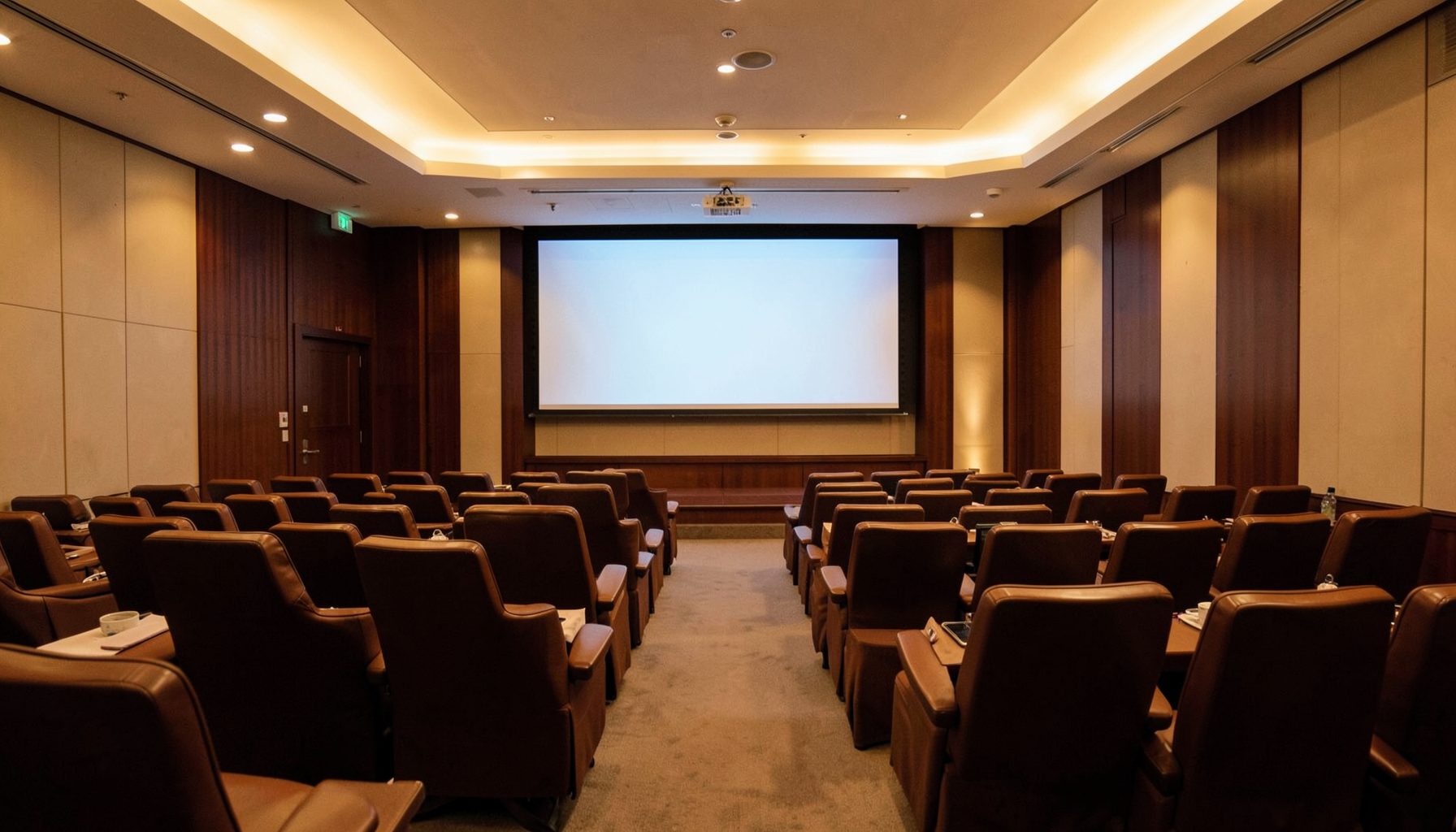
A Guide to RSNA 2020 Venue Layout And Floor Plan
RSNA 2020 took place from 29 November to 4 December 2020, during a period when major professional meetings were rapidly changing their delivery models. Although Chicago and McCormick Place were associated with the annual meeting’s traditional setting, the 2020 assembly was conducted as a virtual event rather than as a conventional in-person exhibition.
That distinction matters when researching the venue layout. A standard convention center floor plan would normally help attendees find registration, lecture rooms, poster areas, technical exhibits, dining spaces, and entrances. For RSNA 2020, those functions were represented through an online event environment, while the physical Chicago plan remained useful for understanding the meeting’s intended scale and organization.
Radiology professionals, hospital groups, exhibitors, and delegations can therefore use the floor-plan concept in two ways: to understand how a regular RSNA meeting is arranged and to map the equivalent digital destinations used during the 2020 programme.
What RSNA 2020 Changed
The largest change was the move away from a crowded convention center. Attendees did not follow the usual pattern of arriving at McCormick Place, collecting badges, walking between halls, or visiting a scheduled room. Instead, they accessed scientific sessions, educational content, exhibits, and networking tools through the RSNA virtual meeting platform.
A digital layout still had recognizable zones. The online lobby served as the main starting point, while session directories replaced printed programme boards. A virtual exhibit hall substituted for the physical technical exhibition, and on-demand libraries allowed participants to revisit presentations outside their original broadcast times.
This format also changed navigation priorities. Rather than estimating walking time between rooms, participants needed to manage login access, session schedules, time zones, browser compatibility, and personal viewing calendars.
The Planned Chicago Footprint
McCormick Place is a large lakefront convention complex with interconnected buildings, expansive exhibit halls, meeting rooms, registration areas, and public circulation routes. At a typical RSNA annual meeting, the venue footprint supports several activities at once: scientific education, equipment demonstrations, poster viewing, professional meetings, and informal conversations.
A physical floor plan would generally distinguish between the exhibit halls and the education areas. The exhibition zone accommodates imaging manufacturers, software companies, healthcare technology providers, publishers, and professional organizations. Meeting rooms support plenary talks, refresher courses, scientific sessions, and smaller discussions.
For RSNA 2020, these areas should be treated as a reference framework rather than a route map for on-site attendance. The planned venue explains the event’s structure, but the actual participant experience centered on the virtual programme and its searchable content.
How To Read The Meeting Layout
When reviewing an RSNA venue map, begin with the main entry and registration points. These typically act as orientation hubs, directing visitors toward education rooms, exhibition halls, poster displays, and member services. Large events often use color-coded buildings or hall labels, so matching the map legend with the official programme is essential.
Next, identify the areas most relevant to your professional objectives. A radiologist focused on clinical education may prioritize lecture theatres and specialty sessions. A department manager may spend more time in the technical exhibition, while a research team may need efficient access to scientific presentations and poster content.
The same method works for the virtual format. Group sessions by specialty, assign priority levels, and note whether each item is live, recorded, or available on demand. This creates a personal floor plan for the digital meeting and reduces the risk of missing important content.
| Meeting Area | Typical Function | RSNA 2020 Equivalent |
|---|---|---|
| Registration lobby | Badge collection and orientation | Virtual sign-in and event lobby |
| Education rooms | Lectures, courses, and scientific sessions | Live and on-demand session pages |
| Exhibition halls | Product demonstrations and vendor meetings | Virtual exhibitor directory and booths |
| Poster areas | Research review and author interaction | Digital poster and presentation content |
| Networking spaces | Informal professional contact | Online networking and messaging tools |
Navigation For Teams And Delegations
Large radiology teams benefit from a shared schedule rather than separate individual plans. A coordinator can divide sessions by subspecialty, record who is attending each item, and organize a later debrief. This approach helps prevent duplicated coverage and ensures that important scientific content reaches the entire department.
For an in-person meeting, team members would also need agreed meeting points, walking routes, and backup locations. In a virtual setting, those arrangements become shared calendars, internal chat channels, document folders, and scheduled review calls.
Delegations arranging accommodation for a future physical RSNA meeting should keep the same coordination principle. Centralized booking makes it easier to place colleagues near one another, manage arrival dates, and monitor room assignments. Guidance on room block guide arrangements can help teams understand the planning process.
Hotel Logistics Near The Convention Center
Accommodation planning is closely connected to venue navigation. At a physical Chicago meeting, staying near McCormick Place or along a convenient transit route can reduce commuting time and make early morning sessions easier to attend. Hotel selection also affects team meetings, evening networking, and the ability to return quickly between programme blocks.
A useful lodging plan should account for the meeting dates, room types, length of stay, and the number of attendees. Teams may require single rooms for faculty and senior staff, twin occupancy for colleagues traveling together, or a combination of room categories across a larger block.
Although RSNA 2020 itself was virtual, reviewing its hotel and venue information remains helpful for understanding how professional meeting logistics are normally organized. For records, event-related questions, or historical booking details, attendees can use the event contacts page.
Build A Practical Viewing Route
The most effective RSNA 2020 plan combines the published scientific programme with realistic daily capacity. Attempting to attend every live session can create conflicts and fatigue, particularly when several specialty tracks run simultaneously. Mark essential sessions first, then add optional material that can be viewed on demand.
A personal route should include time for exhibits and research review. Technical demonstrations may require focused attention, while posters and recorded presentations can often be explored in shorter blocks. Keeping notes in a consistent format makes later team discussion more productive.
Use these planning principles when reconstructing the meeting layout or preparing for a comparable conference:
- Mark essential scientific sessions before adding optional content.
- Separate live broadcasts from recordings and on-demand materials.
- Group exhibits, posters, and specialty sessions by professional priority.
- Share assignments with colleagues to reduce duplicated viewing.
- Reserve time for notes, follow-up meetings, and vendor information review.
Turn The Layout Into Action
A venue map is most valuable when it supports decisions about time, access, accommodation, and professional priorities. For RSNA 2020, that meant translating a familiar Chicago convention model into a structured digital schedule while preserving the meeting’s core scientific and commercial functions.
Use the available programme and event resources to organize your session priorities, coordinate your radiology team, and review accommodation requirements. A clear plan makes it easier to capture the educational value of the annual meeting and prepare efficiently for future RSNA gatherings.