Booking hotel meeting rooms for RSNA team briefings
For Australian radiology teams attending the RSNA 2020 Annual Meeting, accommodation was more than a place to sleep. A suitable hotel could provide a practical base for daily briefings, private discussions, presentation rehearsals and coordination between clinicians, researchers and exhibitors.
RSNA 2020 was scheduled for 29 November to 4 December 2020 in Chicago, bringing together professionals for a major scientific assembly and industry programme. Teams arranging travel needed to consider hotel location, room categories, meeting facilities and access to the event venue as part of one coordinated booking.
A group reservation also helped Australian delegates manage different arrival dates, shared room blocks and corporate approval processes. With travellers departing from Sydney, Melbourne, Brisbane or Perth, a clear accommodation plan reduced last-minute changes across time zones and international itineraries.
Why meeting space mattered for team planning
A hotel meeting room offered a controlled setting away from busy exhibition areas. Teams could review conference schedules, allocate attendance across parallel sessions, discuss research presentations and prepare questions for exhibitors without competing with public noise.
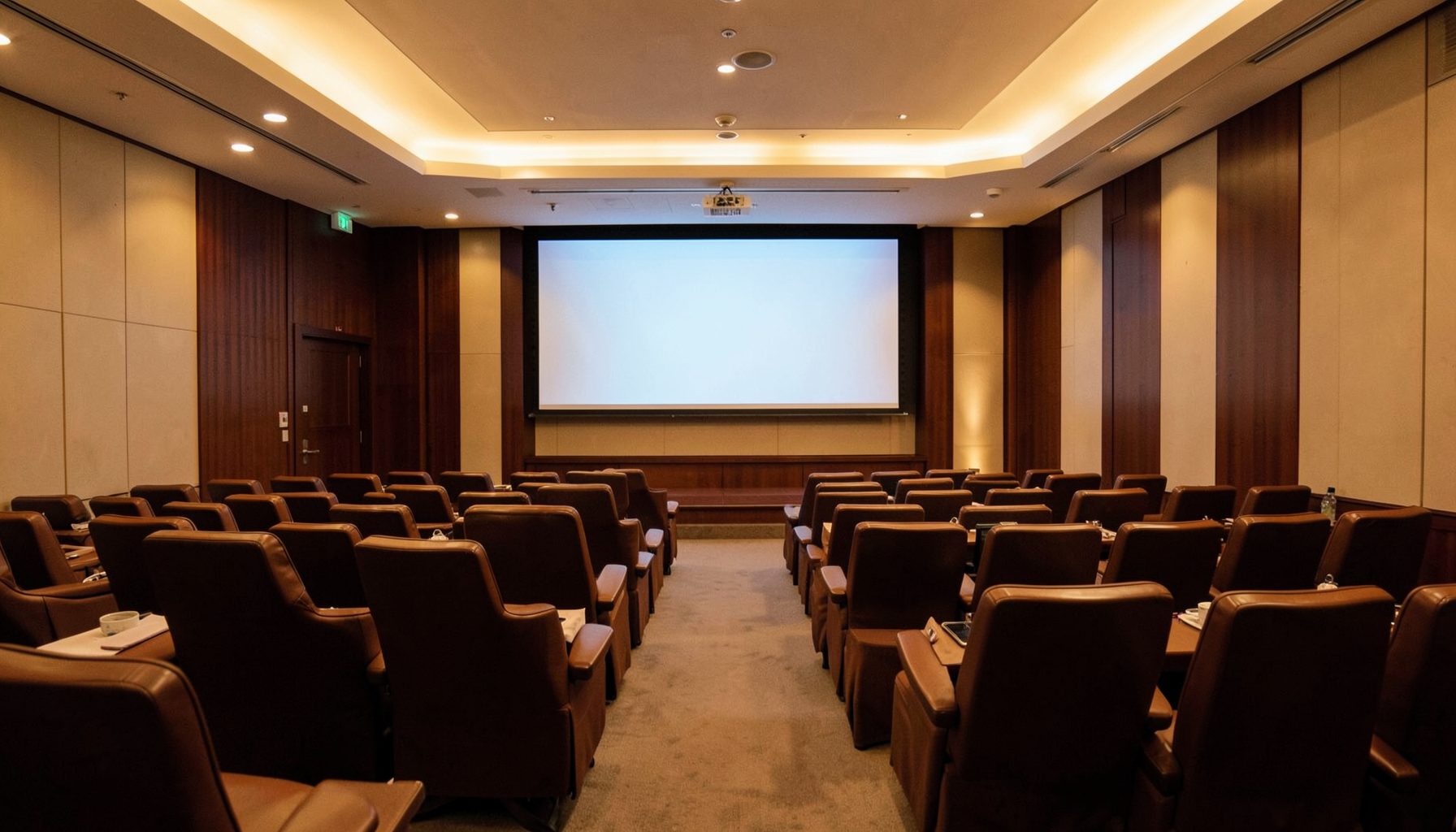
The room did not need to be elaborate. A quiet boardroom with reliable Wi-Fi, power outlets, a large screen and a layout suited to the group could be more useful than an oversized ballroom. For a small delegation, a private lounge or flexible conference room may have provided enough space for a one-hour morning briefing.
Location was equally important. A hotel within convenient reach of the RSNA programme reduced transfer time and made it easier for staff to return between sessions. Delegates staying together could also use the property as a central meeting point when colleagues had different scientific or commercial priorities.
Choose the right hotel standard
Three-star, four-star and five-star hotels can all support a successful team stay, but their meeting facilities, service levels and pricing may differ substantially. A three-star property may suit a cost-conscious group that needs basic accommodation and a simple briefing room. A four-star hotel often provides a useful balance of business amenities, central access and comfort.
A five-star property may be appropriate for executive delegations, hosted meetings or teams requiring polished client-facing facilities. It can offer larger suites, dedicated event staff and more adaptable catering arrangements, although these benefits should be weighed against the group’s budget. This hotel comparison helps explain how different accommodation levels could affect an RSNA booking.
Australian organisations should also confirm whether quoted prices include taxes, service charges, breakfast and meeting-room hire. US hotel pricing may be displayed before local taxes, unlike the clearer all-inclusive pricing many Australian travellers expect. Requesting a complete written estimate avoids surprises during reconciliation.
Coordinate rooms, arrivals and briefings
A room block should reflect the actual structure of the delegation. Senior radiologists, trainees, exhibitors and administrative staff may have different arrival dates, departure plans and room preferences. Collecting these details before contacting hotels makes it easier to negotiate a practical allocation.
Briefing times should account for international travel and Chicago’s Central Time. A team arriving from Australia may be affected by long flights, transit connections and adjustment to a substantial time difference. Scheduling the first formal meeting after sufficient rest is generally more productive than placing it immediately after arrival.
The booking contact should also establish a clear release date for unused rooms. Hotels commonly require final numbers, guest names and payment guarantees in advance. One central organiser can manage amendments, while each traveller receives a concise itinerary covering check-in, meeting times and emergency contact details.
Build a room that supports productive meetings
Before confirming a meeting room, ask about seating capacity, table shape, natural light, ventilation and acoustic privacy. A classroom layout can suit training or presentations, while a boardroom arrangement may work better for clinical discussion. Flexible furniture is valuable when the same space must support several activities during the stay.
Technology should be checked in detail rather than assumed. Confirm screen size, presentation connections, microphones, video-conferencing capability and technical support. Australian teams may carry laptops with different adapters, so access to suitable power points and universal charging options is particularly useful.
Catering can be modest but timely. Coffee, water and light refreshments may help early briefings run smoothly, while dietary requirements should be recorded in advance. The organiser should also check whether outside catering is permitted and whether the hotel applies minimum spending requirements.
Use the neighbourhood as part of the schedule
A central Chicago hotel can make the programme more manageable, especially when delegates have evening networking commitments or early scientific sessions. Walkability, access to public transport and the availability of restaurants can reduce reliance on taxis and simplify group movements.
Evening activities may form part of relationship building after a full day of meetings. Teams considering a cultural outing can review Chicago theatre options while checking show times against dinner reservations and the conference schedule.
For Australians, everyday customs may require a little preparation. Tipping is expected for many hotel, restaurant and transport services in the United States, and temperatures in Chicago in late November can be considerably colder than in Sydney or Brisbane. Delegates should allow room in their travel budget for gratuities, winter clothing and possible weather-related transport delays.
Keep the booking process commercially clear
A group accommodation agreement should spell out cancellation terms, attrition allowances, meeting-room costs and payment responsibilities. It should also identify whether the hotel can place rooms under individual guest names or requires one master account. These details matter when a hospital, university or private practice is paying for the delegation.
Australian teams may need purchase orders, GST treatment for internal records, travel insurance documentation and approval from several departments. Although US accommodation will not be handled like a domestic Australian hotel invoice, keeping the quote, tax information and payment receipts together makes post-trip reporting easier.
Useful checks before signing include:
- Confirm the hotel’s distance from the RSNA venue and available transport options.
- Request a floor plan and capacity details for the proposed meeting room.
- Verify Wi-Fi, audiovisual equipment, power access and technical support.
- Compare room-block rates with individual public rates and included benefits.
- Set deadlines for guest names, deposits, cancellations and final numbers.
- Record dietary needs, accessibility requirements and preferred arrival times.
- Appoint one Australian-based coordinator for hotel and delegate communications.
A well-structured hotel booking gives an RSNA delegation more than competitive accommodation. It creates a dependable operational base where colleagues can exchange information, prepare for sessions and maintain momentum throughout a demanding week.
For teams reviewing the RSNA 2020 arrangements or using them as a model for future congress travel, start by listing delegate numbers, briefing objectives, room requirements and budget limits. Then request a consolidated proposal covering guest rooms, meeting space, technology, catering and cancellation conditions so the final decision is based on the complete cost and practical value.