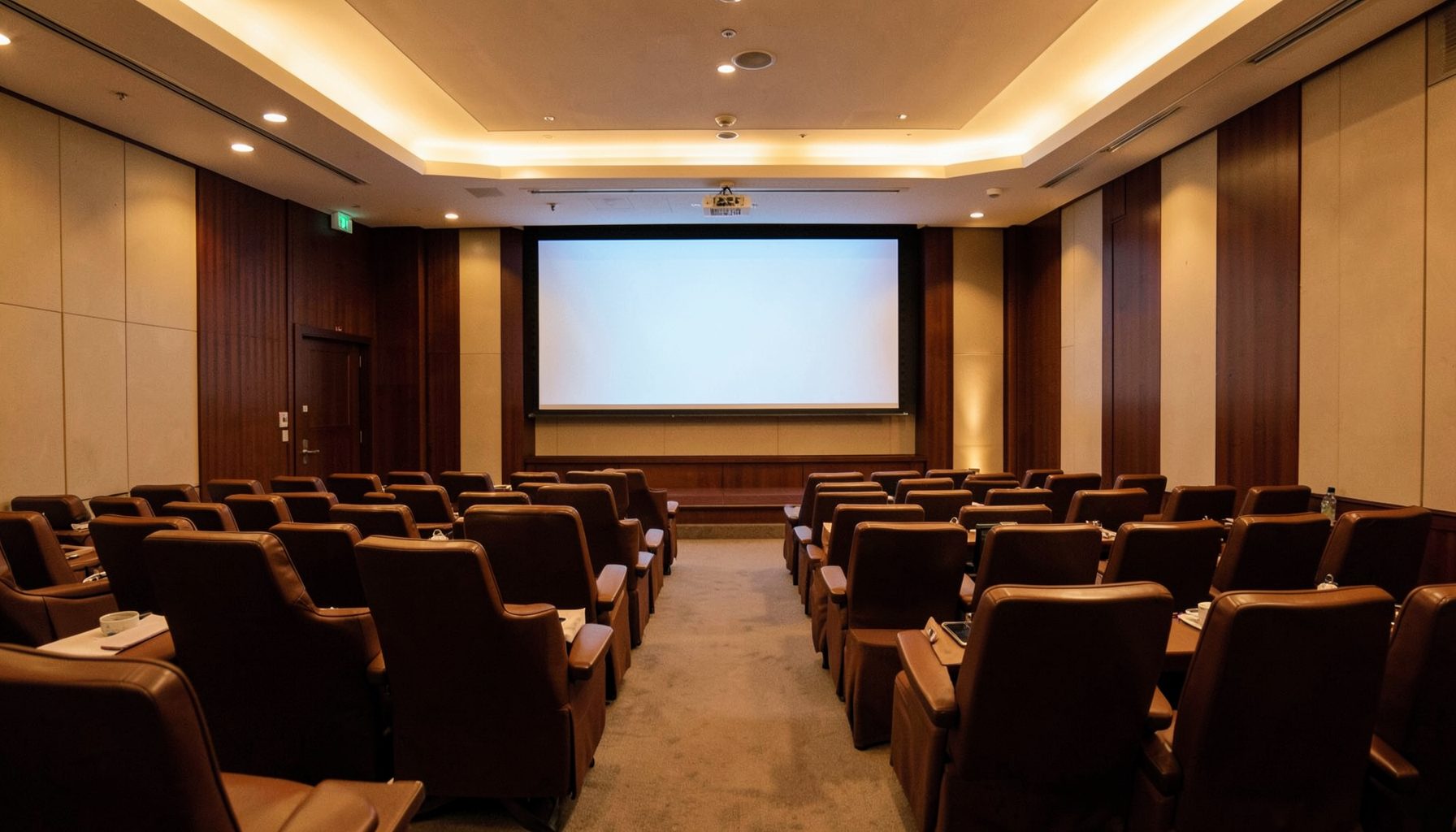
Hotels with social lounges for RSNA 2020 after-hours networking
The Radiological Society of North America scheduled its 106th Scientific Assembly and Annual Meeting from 29 November to 4 December 2020 in Chicago, and Australian radiology professionals treat the gathering as a defining moment on the global imaging calendar. Delegates fly in from Sydney, Melbourne, Brisbane, Perth and Adelaide, usually arriving a day or two before the technical sessions to recover from the journey and adjust to Central Time.
Beyond the lecture theatres, informal networking often delivers the longest-lasting value of a major medical congress. The corridors and poster halls allow brief exchanges, but the candid conversations about clinical cases, vendor partnerships and research collaborations typically unfold once the official programme ends. A well-designed social lounge inside the accommodation property extends the meeting itself, letting attendees decompress while staying close to peers from other institutions.
Choosing the right base for a delegation means weighing more than proximity to McCormick Place. Group coordinators compare star rating, room block availability, breakfast inclusions and meeting space alongside the quality of public areas. Hotels with strong social lounges now sit near the top of the shortlist for radiology teams that want members to connect without leaving the building.
What makes a social lounge effective for delegates
A genuine social lounge differs from a standard hotel bar in layout, atmosphere and programming. Comfortable seating, communal tables and quiet corners allow small teams to gather without competing with leisure travellers, while a curated cocktail menu and approachable bar staff encourage conversations between strangers from different hospitals.
For radiology teams attending RSNA 2020, the most useful lounges combine a relaxed feel with practical touches such as ample power outlets, reliable Wi-Fi and a late menu that accommodates attendees finishing back-to-back sessions. Several properties programme their lounges with industry-hosted receptions, allowing groups to host informal gatherings without leaving the building.
Comparing Chicago hotels with strong social lounge programmes
A handful of properties within a short ride of McCormick Place have built reputations for their lounge environments. The table below summarises typical offerings across three- to five-star options frequently booked by international delegations.
| Hotel Tier | Typical Lounge Style | Best Suited For | Group Block Flexibility |
|---|---|---|---|
| 3-star business hotel | Compact lobby bar with cluster seating | Smaller teams of 5–10 delegates | Moderate, often 10–20 rooms |
| 4-star conference hotel | Dedicated lounge floor with cocktail service | Mixed groups of 15–40 delegates | High, with negotiated rates |
| 5-star full-service hotel | Multi-zone lounge plus rooftop bar | Senior leaders and visiting faculty | Variable, premium pricing |
Mid-tier hotels tend to deliver the strongest return for radiology teams because they balance cost control with the social infrastructure needed for genuine networking. Upper-tier properties offer prestige and extra amenities, although their lounges can feel formal during the busiest congress hours.
Securing room blocks and group registration
Group coordinators usually begin the booking process months before the congress opens, and that lead time matters for securing contiguous room blocks. Properties near McCormick Place field thousands of enquiries each spring, and the most desirable configurations disappear early. Detailed information is available through the registration guide, which explains how to submit room lists, manage name changes and confirm billing arrangements.
Australian hospitals send delegations of varied sizes, from two-radiologist teams through to full department contingents of twenty or more. Coordinating travel approvals, CPD documentation under AHPRA requirements and shared billing back to a single cost centre makes the administrative load significant, which is why most institutions appoint a designated lead to manage the process end-to-end.
Australian workplace habits that translate well to international congresses
Australian networking leans heavily on informal catch-ups over coffee or a shared meal rather than the formal dinners common elsewhere. Radiology departments in public systems across Victoria and New South Wales typically send senior registrars to RSNA on rotation, meaning each year's cohort is small but highly motivated.
December in Australia falls in the middle of summer, which makes the Chicago winter a sharp contrast for delegates arriving from Brisbane or Cairns. Layered clothing is essential, and many attendees schedule indoor socialising to minimise exposure to sub-zero windchill. Australian workplace culture also prizes punctuality, so lounge gatherings that start on time attract the strongest attendance from local contingents who value structured downtime between sessions.
Programming your evenings around the scientific schedule
The RSNA scientific programme typically finishes its plenary sessions by early evening, leaving a wide window for industry symposia, alumni gatherings and informal catch-ups. Smart delegations build a rough evening plan each morning, identifying which peers they hope to meet and which hotel lounges sit closest to the McCormick Place exits.
Travelling between properties takes longer than expected, and choosing accommodation with a strong in-house lounge reduces the temptation to skip evening networking. Some Australian groups use the lounge environment for internal debriefs, comparing notes from the day's sessions while international faculty sit within earshot. This reflects the collegial style of radiology training in Australia, where registrars are encouraged to question senior consultants openly.
Travel logistics and seasonal considerations from Australia
Direct flights from Sydney to Chicago operated by Qantas and United run roughly twenty hours gate to gate, including connections, while Melbourne departures add another hour or two depending on routing through Los Angeles or Houston. December falls outside the peak Northern Hemisphere holiday window for most Australian travellers, although return bookings near Christmas carry premium pricing.
Delegates building in a brief warm-climate stopover sometimes consider other medical congress destinations such as the organising committee in Mauritius, which hosts its own imaging-related meetings. Australian currency fluctuations against the US dollar affect how far group budgets stretch, and finance teams typically lock in rates once deposits are paid.
Booking early also helps institutions meet the disclosure and reporting timelines required by state health authorities when public-sector employees travel overseas for CPD-accredited activities.
Group coordinators ready to lock down their RSNA 2020 accommodation should review the available room blocks today, compare lounge amenities against their delegation's networking objectives and submit room lists well before the standard cut-off. Reserve early to secure the right property, the right configuration and the right social setting for the week ahead.