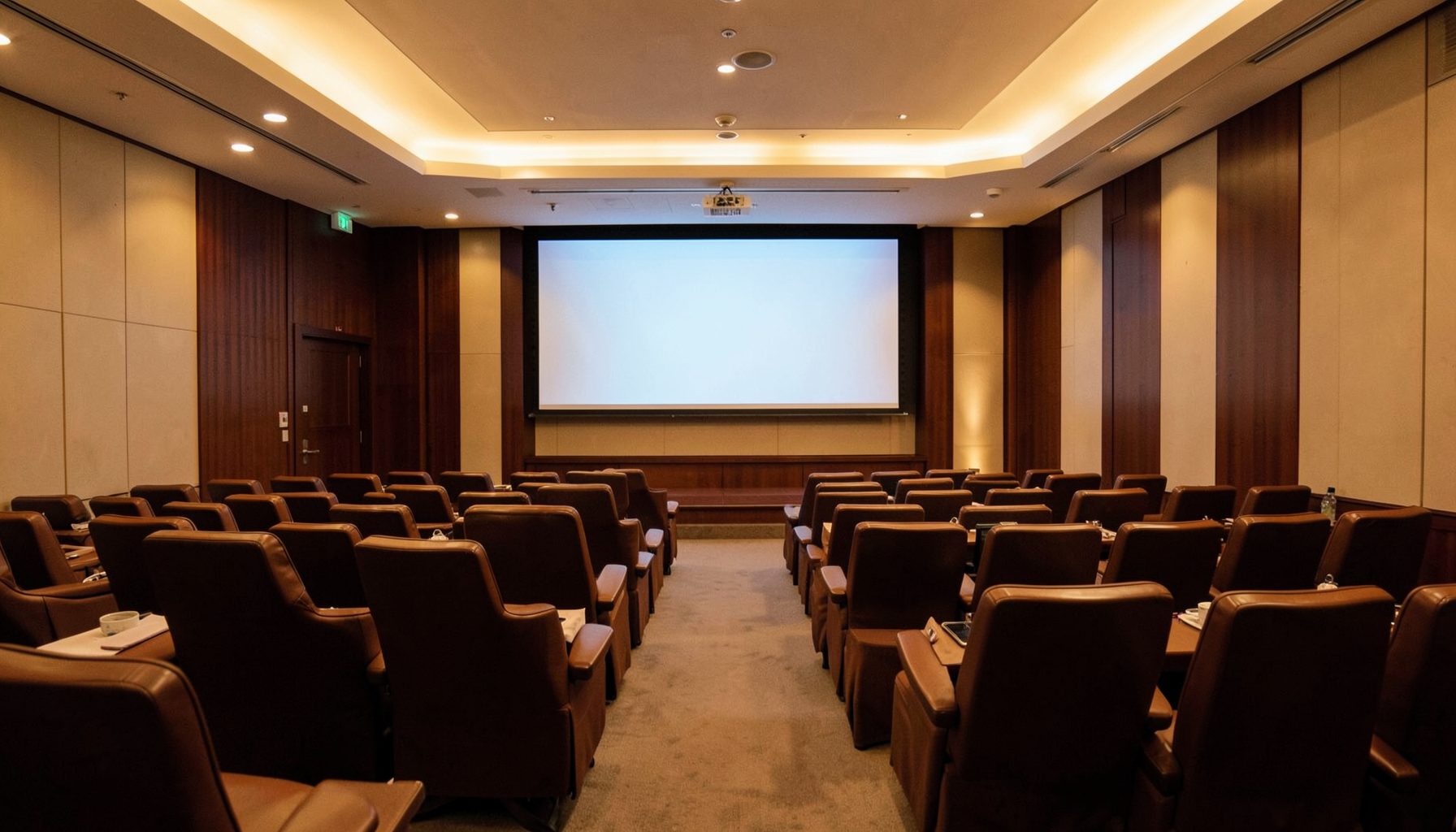
How to Prepare Your Presentation for RSNA 2020
Presenting at the RSNA Annual Meeting is an opportunity to share meaningful research with radiologists, clinicians, scientists, educators, and technology leaders from around the world. A strong presentation requires more than attractive slides. It needs a focused message, credible evidence, careful timing, and a delivery style suited to a scientific audience.
RSNA 2020 took place from 29 November to 4 December 2020 as part of the Radiological Society of North America’s annual scientific assembly. Whether you were preparing a scientific paper, educational exhibit, technical demonstration, or clinical case presentation, early planning could make the experience more confident and effective.
Your preparation also needed to account for the meeting format and practical arrangements. Reviewing the scientific assembly overview helped presenters understand the programme, professional audience, and expectations surrounding the event.
Define Your Core Message
Begin by writing the central point of your presentation in one sentence. This statement should explain what you studied, what you discovered, or what the audience should understand after viewing your work. If the message is difficult to summarize, the presentation may contain too many competing ideas.
Next, identify two or three supporting points. A research presentation might focus on the clinical problem, methodology, principal findings, and practical relevance. An educational session may instead emphasize a diagnostic approach, imaging protocol, or series of representative cases. Every slide should support one of these priorities.
Study The Audience And Format
RSNA attracts a broad professional audience, so avoid assuming that every attendee has the same specialty or level of technical knowledge. Define unfamiliar abbreviations, explain specialized methods briefly, and connect complex findings to patient care or radiology practice.
Check the presentation instructions carefully. Confirm the allotted time, file requirements, image specifications, question-and-answer format, and whether the session is live, recorded, or delivered online. These details influence slide length, rehearsal methods, and the way you engage with attendees.
Build A Clear Scientific Story
A reliable structure makes scientific content easier to follow. Start with the clinical or technical problem, explain the purpose of the work, describe the method, present the results, and finish with an interpretation that reflects the evidence. Keep background information concise so the audience has enough time to understand the findings.
Use transitions to show how each section connects to the next. For example, explain how a limitation in current imaging practice led to your research question, then show how your method addressed that limitation. A coherent narrative is especially important when presenting quantitative results, artificial intelligence applications, or multidisciplinary research.
Design Slides For Fast Understanding
A conference slide should communicate one primary idea quickly. Replace dense paragraphs with short phrases, labelled images, diagrams, and carefully selected data. Use consistent typography, adequate contrast, and a restrained color palette so that the content remains legible on a large screen or digital platform.
Radiology presentations depend heavily on visual evidence. Crop images thoughtfully, mark the relevant anatomy, and provide enough clinical context to make the example meaningful. Graphs should have clear axis labels, units, sample sizes, and captions. Avoid decorative effects that distract from pathology, technique, or results.
| Presentation element | Effective approach | Common problem |
|---|---|---|
| Title slide | State the subject, authors, institution, and presentation type clearly | Overloading the opening with details |
| Background | Explain the clinical need in a few precise points | Spending too long on general history |
| Methods | Show the study design, cohort, protocol, or workflow | Using unexplained technical language |
| Results | Highlight the findings that answer the research question | Displaying every measurement collected |
| Imaging examples | Use annotations, captions, and relevant comparisons | Showing images without orientation |
| Final slide | Summarize the evidence and clinical meaning | Introducing new information at the end |
Rehearse Delivery And Timing
Rehearse aloud rather than reading silently. Speaking exposes awkward transitions, unclear terminology, and sections that take longer than expected. Record at least one practice session and listen for repeated phrases, rushed explanations, or points that need stronger emphasis.
Create a shortened version of the presentation in case the chair reduces your time. Practice answering likely questions about patient selection, statistical analysis, imaging parameters, external validity, and clinical implementation. A concise answer should acknowledge the question, give the relevant evidence, and avoid drifting into unrelated detail.
If your presentation is virtual, test the microphone, camera, screen sharing, slide resolution, and backup files. Keep presentation notes separate from the visible screen and place essential contact details on the final slide. A technical check can prevent avoidable interruptions during the session.
Organize Travel And Professional Logistics
Presenters attending in Chicago also needed to coordinate transportation, accommodation, registration, and time away from the meeting programme. Reserving a suitable room early was particularly important for individuals travelling with colleagues, research teams, or institutional delegations. A quiet location can also provide valuable space for final rehearsals.
When planning personal time around the meeting, keep the presentation schedule as the priority. The guide to Chicago free time can help attendees consider museums, architecture, restaurants, and other activities without losing sight of preparation responsibilities.
Use this practical checklist during the final week:
- Confirm the session date, time, room or online access details, and presentation duration.
- Upload the approved slide file and keep a second copy in secure cloud storage.
- Check every image, citation, disclosure statement, and author affiliation.
- Prepare a brief verbal summary for informal conversations after the session.
- Exchange contact information with collaborators and interested attendees.
After presenting, record questions and comments while they are still fresh. Follow up with useful papers, supplementary data, or collaboration details when appropriate. The professional value of an RSNA presentation often continues through conversations that happen after the formal session.
A polished RSNA presentation combines scientific accuracy with deliberate communication. Shape the message, simplify the visuals, rehearse under realistic conditions, and organize the practical details before the meeting begins. Use these steps to turn your research or educational material into a presentation that earns attention and remains useful to the radiology community.