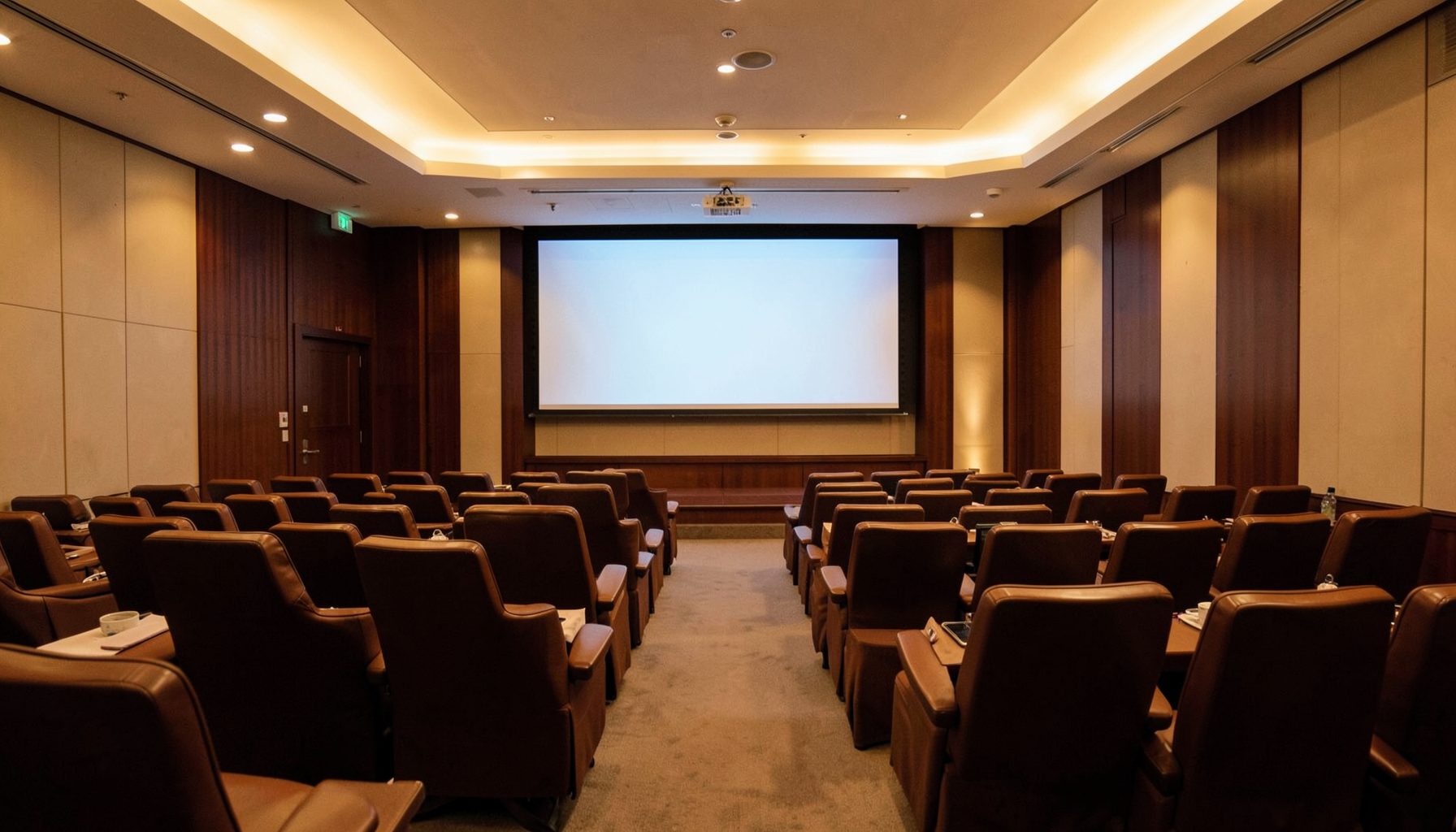
How to use the RSNA 2020 hotel booking portal for large groups
Arranging accommodation for a radiology team requires more than selecting a few rooms online. A delegation may include consultants, registrars, researchers, exhibitors and support staff, each with different arrival dates, room preferences and payment arrangements. A group hotel portal is designed to bring these requirements together in one booking process.
The RSNA 2020 Annual Meeting was scheduled for 29 November to 4 December 2020 in Chicago, with information about the scientific assembly, venue and programme available through the event website. For Australian attendees travelling from Sydney, Melbourne, Brisbane or Perth, early coordination was especially useful because international flights, time differences and corporate travel approvals added extra planning steps.
Start with the event information
Before entering accommodation details, review the RSNA 2020 portal to confirm the meeting dates and the event information relevant to your delegation. This gives the group organiser a shared reference point when discussing travel dates, hotel location and attendance requirements.
Large groups should distinguish between the official meeting period and the dates needed for travel. An Australian delegation might leave Melbourne or Sydney two days early to manage the long journey to Chicago and the change from Australian time zones to Central Time. Some participants may also stay after the meeting for hospital visits, private meetings or sightseeing.
Record the names of attendees, their professional roles and the days they expect to be in Chicago. A simple master list can prevent duplicate reservations and make it easier to identify who needs an early check-in, a late departure or accessibility arrangements.
Prepare the group details before booking
The portal process is more efficient when the organiser has the essential information ready. Create a spreadsheet containing each traveller’s full name, email address, preferred room type, arrival date, departure date and any relevant notes. Use passport names where possible, especially when the accommodation details must later align with airline records.
Separate firm requirements from preferences. For example, a shared twin room may suit a team travelling on a controlled budget, while senior faculty members may need individual rooms. Australian institutions often require written approval for overseas conference expenses, so including estimated room costs in Australian dollars can help managers assess the request, even though the hotel will generally charge in US dollars.
Check whether the group includes people arriving at different times. A delegate flying from Brisbane may reach Chicago on a different day from a colleague departing Perth, while a participant based in Melbourne may require an extra night because of flight schedules. Keeping these variations in the initial request is more reliable than trying to amend every reservation later.
Request a room block for the delegation
For a large team, use the dedicated group booking page rather than submitting individual hotel reservations. A room-block request allows the organiser to present the delegation as one booking, which can simplify communication with the accommodation provider and improve visibility over remaining inventory.
State the approximate number of rooms, preferred hotel category and expected booking pattern. The accommodation options covered 3-star, 4-star and 5-star hotels, allowing groups to balance convenience and budget. A research team may prefer a practical 3-star property, while a sponsoring organisation or executive delegation may require the facilities and meeting spaces associated with a higher category.
Give the organiser a realistic estimate rather than an inflated number. A provisional room block that is later reduced may be easier to manage than a request based on uncertain attendance. If several colleagues are still awaiting approval, identify those rooms as tentative and set an internal deadline for final confirmation.
Coordinate payment and booking changes
A group booking should have one clearly appointed contact. This person can communicate with the hotel or booking team, collect amendments and circulate updates. It is helpful to use a dedicated work email rather than several personal addresses, particularly when the delegation includes staff from different Australian hospitals or universities.
Confirm how deposits, balances, cancellation rules and incidental charges will be handled. The room cost may be paid centrally by an employer, divided between departments or settled by each traveller. These arrangements should be agreed before the booking is submitted, since confusion over payment responsibility can delay confirmation.
Keep a change log for cancellations, name substitutions and date adjustments. International travel plans can shift because of visa processing, flight availability or institutional approval. Australian travellers should also allow for currency fluctuations between the Australian dollar and US dollar when setting a budget, and should check whether their organisation requires a purchase order or tax documentation.
Finalise the booking and travel record
Once the hotel allocation is confirmed, compare the confirmation against the master attendee list. Check every name, room type, arrival date, departure date and special request. The organiser should also verify that the booking covers the entire delegation and that any rooms released from the block have been removed correctly.
Send each attendee a concise travel summary containing the hotel name, address, reservation reference, check-in instructions and the organiser’s contact details. Chicago’s large scale means that accommodation near the event area may save time, but delegates should still understand local transport options and allow extra time during busy periods.
Keep digital and offline copies of the final confirmation. This is useful for travellers arriving after a long flight, when mobile data may be unreliable or when an airline schedule changes. For teams travelling from Australia, include flight numbers and emergency contacts in the same record so the group leader can quickly identify late arrivals.
Use the RSNA 2020 accommodation information as a practical model for future conference travel: build the attendee list early, request a suitable room block, confirm financial responsibility and maintain one accurate record. Organisers can then give every radiology professional a clear booking pathway while keeping the delegation’s costs and logistics under control.