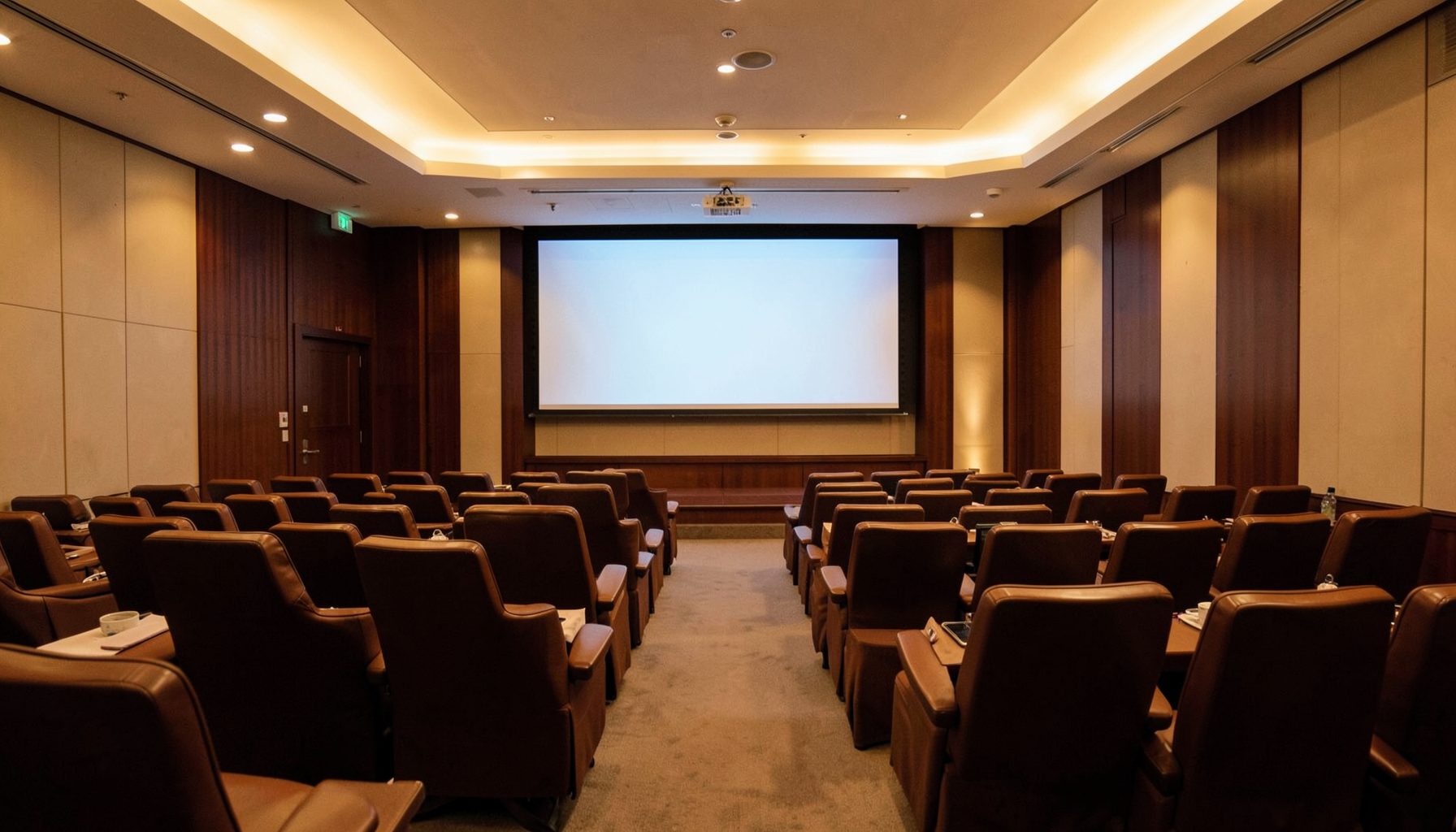
RSNA 2020 and Chicago's legendary blues venues
The Radiological Society of North America brought its 106th Scientific Assembly and Annual Meeting to Chicago from 29 November to 4 December 2020, drawing radiology professionals, exhibitors, and academic teams to McCormick Place. For delegates accustomed to jetting between international conferences, the city offered more than lecture halls and exhibition floors. Chicago holds a singular place in the story of modern blues, and McCormick Place sits within a short cab ride of clubs where that history still plays out every night of the week.
Many attendees arrive from places as far away as Sydney, Melbourne, or Brisbane, often after a fourteen-hour flight that leaves them groggy and grateful for any excuse to stay awake past sundown. A live set at a smoky blues lounge does the job better than another flat white from a conference café. The Windy City's music scene rewards anyone curious enough to step outside the convention bubble.
Chicago blues carries a particular weight because it was largely invented here. Musicians who migrated from the Mississippi Delta plugged in, turned up the amplifiers, and built a sound that shaped rock, soul, and jazz for decades to come. Hearing that sound in its hometown, on the same blocks where it was first recorded, gives conference delegates a cultural counterpoint to the technical density of their days.
The following sections walk through the historic clubs, modern stages, and practical tips that help international visitors enjoy the blues without missing a morning plenary or a group shuttle to the venue.
The birth of Chicago blues on the South Side
Chicago blues emerged in the 1940s and 1950s when sharecroppers and rural musicians left the Mississippi Delta for industrial jobs in the Midwest. They electrified acoustic traditions, and a new urban sound took shape around clubs on the South Side. Chess Records, located at 2120 South Michigan Avenue, became the studio of choice for Muddy Waters, Howlin' Wolf, Etta James, and Chuck Berry, and the building now anchors a museum experience that pairs well with an afternoon visit.
Conference attendees flying in from Adelaide or Perth often comment on how compact the historic zone feels compared with the sprawling distances back home, where a drive of similar scale would eat most of an arvo. A wander along Michigan Avenue passes landmarks any blues fan will recognise.
Legendary clubs that still host live sets
Buddy Guy's Legends, at 700 South Wabash Avenue, sits near the southern edge of the Grant Park area and operates as both a venue and a shrine to the guitarist who founded it. The room holds a few hundred people, the stage is intimate, and the acts vary from local favourites to touring headliners. Visitors arriving straight from a long-haul flight from Melbourne will appreciate that the schedule usually runs late, which suits anyone still on Australian Eastern Standard Time and wide awake at midnight Chicago time.
Kingston Mines, at 2548 North Halsted Street, is the oldest continually operating blues club in the city and runs two stages back to back from early evening until 4 a.m. The cover charge is modest by international standards, the bar serves solid American whisky, and the crowd tends to be a mix of locals, tourists, and fellow conference-goers swapping notes over brekkie the next morning. B.L.U.E.S., a few doors down at 2519 North Halsted, is a smaller, rougher room with a low ceiling and seasoned players who treat newcomers with the easy warmth found in a country pub back in regional New South Wales.
Downtown and North Side rooms worth knowing
Blue Chicago, on Clark Street in River North, caters to visitors who want a guaranteed quality experience without much guesswork. The house band rehearses a deep set list, the room is air-conditioned, and the door staff know how to handle groups arriving straight from conference dinner functions.
The House of Blues, just off the Magnificent Mile, occupies a converted mansion and runs corporate-friendly ticketed shows alongside its Foundation Room dinners. The calendar around late November often includes artists who also play the Australian blues festival circuit during the southern hemisphere summer. For radiology teams splitting into smaller dinner groups, the venue's multiple rooms allow separate bookings under one roof.
Festivals, jams, and off-programme nights
Even when the conference programme runs late, Chicago fills its calendar with blues events that do not require an all-nighter. Smaller weeknight jams run year-round at venues such as Rosa's Lounge in Logan Square and the Smoke Daddy in Wicker Park, where delegates can catch a free or low-cost session without committing to a full club night.
For group leaders arranging dinner outings, scheduling a jam night on the final evening lets everyone unwind together before the long trek home. The variety keeps the scene interesting for listeners who already follow the local blues festival circuit in places like Byron Bay or Thredbo.
Fitting live music around the scientific programme
Trade-offs between conference duties and nightlife come with any overseas medical meeting, and RSNA 2020 was no exception. Radiology professionals juggle poster sessions, vendor meetings, and early committee calls, leaving narrow windows for anything outside the venue. Smart delegations build blues outings into less critical programme days, treating the music as a shared reward after a long day of CME credits.
Group bookings are particularly useful for visiting teams that want to experience the music together without splitting into separate cabs after the last set. A practical breakdown of group blocks versus individual bookings helps coordinators decide whether to centralise accommodation near the music corridor or split it between downtown and McCormick Place. Many Australian groups find that anchoring everyone in the same hotel keeps late-night logistics far simpler than arranging multiple pickup points.
Late-night transport and getting back safely
Late sets at most Chicago blues clubs wind down around 1 or 2 a.m., which leaves delegates weighing the cost of a taxi back against walking in the November cold. Ride-share services are widely available throughout the central districts, and the pickup zones around Kingston Mines and B.L.U.E.S. tend to be calmer than the busier downtown loops. A short guide to ride-share costs and tips at RSNA 2020 helps first-time visitors avoid surge surprises and plan a comfortable ride back.
Delegates who chose accommodation in the Loop or River North usually find themselves within a fifteen-minute ride of any of the clubs mentioned above. Australian visitors used to driving long distances between towns may be pleasantly surprised by how walkable the central venues feel, though winter conditions in late November call for sensible shoes and a warm coat.
Smart planning for a blues night out
- Reserve club tables in advance when travelling with a group larger than six, as walk-in seating fills quickly on weekends.
- Bring a light jacket even inside venues, since older buildings often run cool to offset hot stage lighting.
- Plan one blues outing per two or three conference days rather than back-to-back nights, to protect sleep before early sessions.
- Carry small US dollar notes for cover charges and tips, as some smaller clubs still prefer cash at the door.
- Check set start times online on the day of your visit, since line-ups often shift without much notice.
Head to the booking platform used by your delegation, sort Chicago hotels by proximity to the South Side blues corridor, and lock in your block before availability tightens closer to the meeting dates. A short walk from a central hotel to a late-night club can turn a busy conference week into one of the most memorable trips of the year.