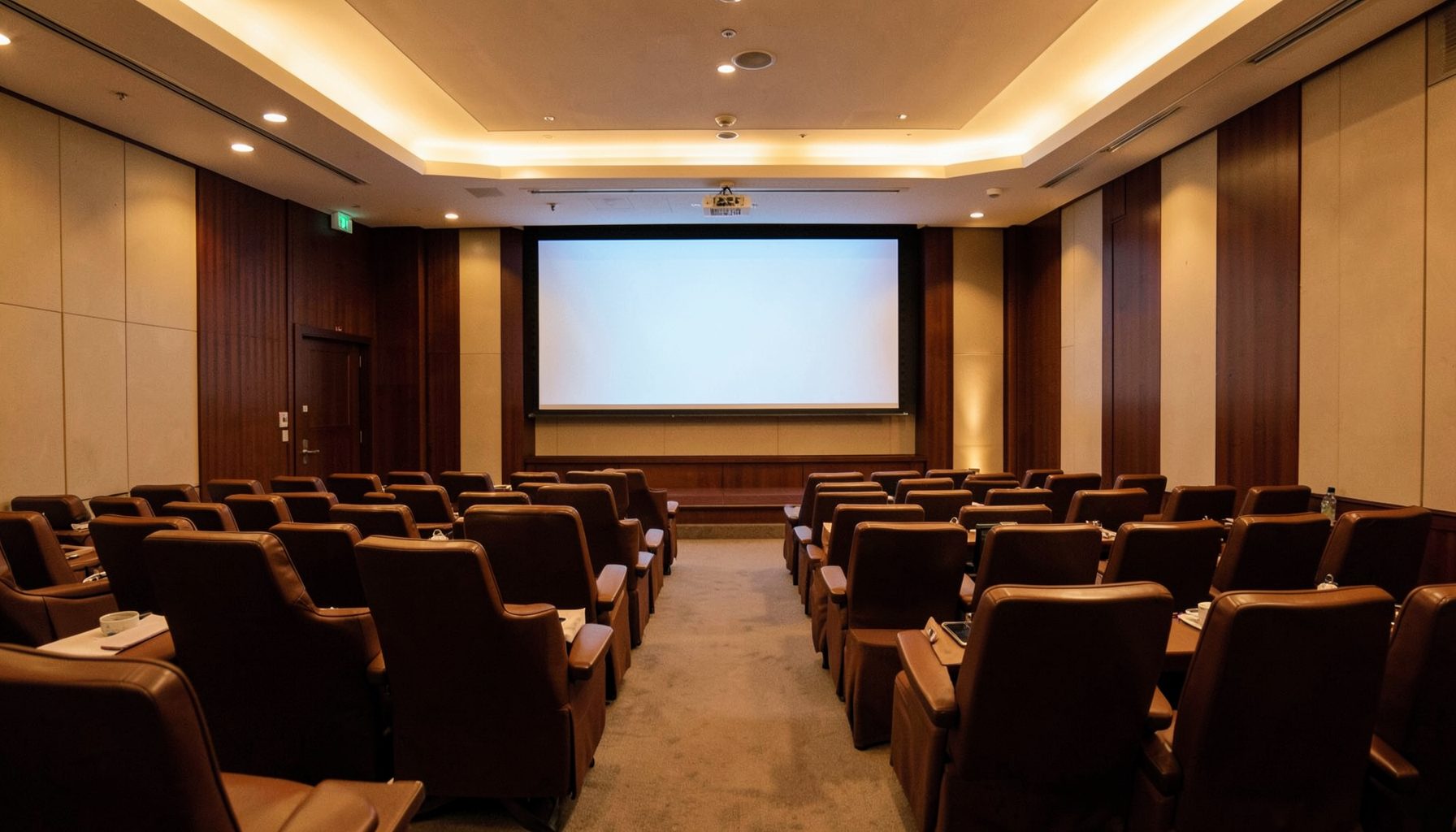
RSNA 2020: Adjacent Rooms for Training and Networking Groups
Organising accommodation for a radiology team involves more than finding enough beds. When colleagues attend the same scientific meeting, nearby rooms can make early training sessions, shared transport and informal networking much easier to manage. A clear rooming plan also reduces last-minute changes for team leaders and delegates.
RSNA 2020 took place in Chicago from 29 November to 4 December 2020. The event brought together radiologists, researchers, technologists, educators and industry professionals, making it suitable for professional groups with different schedules and accommodation needs.
For Australian attendees, planning also meant considering long-haul travel, time-zone differences and the way hotel pricing is displayed in the United States. Booking adjacent rooms or a small room block early provided a practical foundation for a productive conference stay.
Planning The Rooming Model
Begin by identifying the purpose of the group. A training cohort may need rooms close together so participants can meet before a morning workshop, while a networking delegation may prefer a shared floor, lounge access or a common breakfast area.
Create a simple rooming matrix with each traveller’s name, preferred bed type, arrival date, departure date and accessibility requirements. Include a column for late arrivals, early departures and possible room-sharing arrangements. This prevents assumptions and gives the hotel a usable allocation document.
A group travelling from Sydney, Melbourne, Brisbane or Perth may arrive at different times because of connecting flights. Keep the first evening flexible, especially when the Chicago time difference makes a full programme unrealistic.
Choosing A Suitable Chicago Hotel
The ideal property depends on the group’s priorities. Three-star accommodation may suit budget-conscious trainees, while four-star and five-star hotels can offer larger meeting areas, business facilities and more extensive concierge support.
Proximity to the conference venue matters, but so does the route between the hotel and meeting spaces. A slightly more distant hotel may work well if it offers reliable transport, quiet rooms and a clear group rate. Check whether breakfast, Wi-Fi, resort-style charges, taxes and cancellation terms are included in the quoted price.
Australian organisers should compare the total cost in Australian dollars rather than relying only on the advertised US dollar rate. Exchange-rate movements can affect a shared budget, and US hotel taxes may be added after the headline price.
Requesting Adjacent Rooms
Hotels cannot always guarantee a particular room number, but they can usually record a preference for adjacent rooms, rooms on the same floor or a connected-room arrangement. Make the request when the group booking is created, then repeat it during the final confirmation stage.
Clarify whether “adjacent” means side-by-side rooms, rooms opposite one another or rooms within the same corridor. For a supervisor managing trainees, connected rooms may offer convenience, while independent rooms on the same floor provide a better balance between privacy and access.
Ask the hotel to place the room block away from lifts, service areas and noisy event spaces where possible. A quiet corridor can be valuable when delegates are preparing presentations, recovering from jet lag or attending early education sessions.
Building A Training-Friendly Stay
Room location should support the timetable rather than replace a proper meeting space. Training groups need a hotel room, boardroom or designated lounge for presentations, device charging and confidential discussion. Bedrooms are rarely appropriate for formal instruction or sensitive professional conversations.
A useful model is to schedule one short briefing each morning and leave evenings open for rest or optional networking. Teams can also share arrival notes, venue maps and presentation deadlines through a private messaging channel.
Ideas from other workshop formats can help organisers think about group flow; this workshop planning example illustrates why timing, shared activities and practical logistics should be considered together. The subject is different, but the planning principles transfer well to professional education groups.
Supporting Networking And Accessibility
Adjacent accommodation can encourage informal contact without forcing every delegate into the same schedule. A shared breakfast booking, small discussion area or optional evening gathering often works better than a packed social programme.
Ask participants privately about mobility, hearing, visual or other access needs. Request accessible rooms, suitable bathrooms, lift access and clear routes to meeting areas before the final room list is sent. Avoid treating accessibility as a last-minute preference.
The rooming plan should also respect different routines. Some Australians are accustomed to an early coffee and breakfast, while others may need extra sleep after international travel. Offering choices helps the group remain connected without making every activity compulsory.
Managing Australian Booking Considerations
Australian organisations should check who is legally providing the booking service and which terms apply to the transaction. Where Australian Consumer Law applies, clear information about prices, inclusions, cancellations and consumer guarantees is important. Privacy obligations also matter when collecting passport details, dietary information and emergency contacts.
Use a secure process for personal data and share only the information the hotel genuinely needs. A group spreadsheet should not circulate unnecessary passport numbers or payment details. Confirm whether the organiser, employer or individual delegate is responsible for any incidental charges.
Late November falls within daylight-saving time in New South Wales, Victoria, Tasmania, South Australia and the Australian Capital Territory, while Queensland, Western Australia and the Northern Territory follow different clock arrangements. Show meeting times in Chicago time and add an Australian reference where helpful.
Confirming The Final Room Block
A written confirmation should cover the negotiated rate, taxes, deposit schedule, cancellation deadlines, room types, adjacent-room requests and the name of the group contact. Ask for a final rooming-list deadline and find out how substitutions will be handled.
For social planning, keep optional activities separate from required education and networking. Delegates may choose different forms of downtime, and any gambling-related material should be handled responsibly and never presented as part of the professional programme. An online roulette guide may be relevant only as general leisure information, with age and local-law considerations kept in mind.
Use the following checks before sending the final allocation:
- Match every delegate to a confirmed room type
- Mark adjacent, same-floor and accessible-room requests
- Record arrival, departure and late-check-in details
- Confirm the group contact and payment arrangement
Before arrival, circulate a concise accommodation brief:
- Hotel address and venue transport details
- Check-in requirements and identification rules
- Breakfast, Wi-Fi and incidental-charge information
- Emergency contact and after-hours instructions
The RSNA meeting details should sit alongside the accommodation brief so delegates can connect hotel arrangements with the scientific assembly schedule, venue information and programme planning.
A well-managed adjacent-room request gives a training or networking group practical closeness without sacrificing personal space. Set the rooming priorities early, document every request, compare the complete cost and keep optional activities genuinely optional. Use these principles to build a reliable group booking framework for RSNA 2020 accommodation and make each delegate’s Chicago stay easier to navigate.