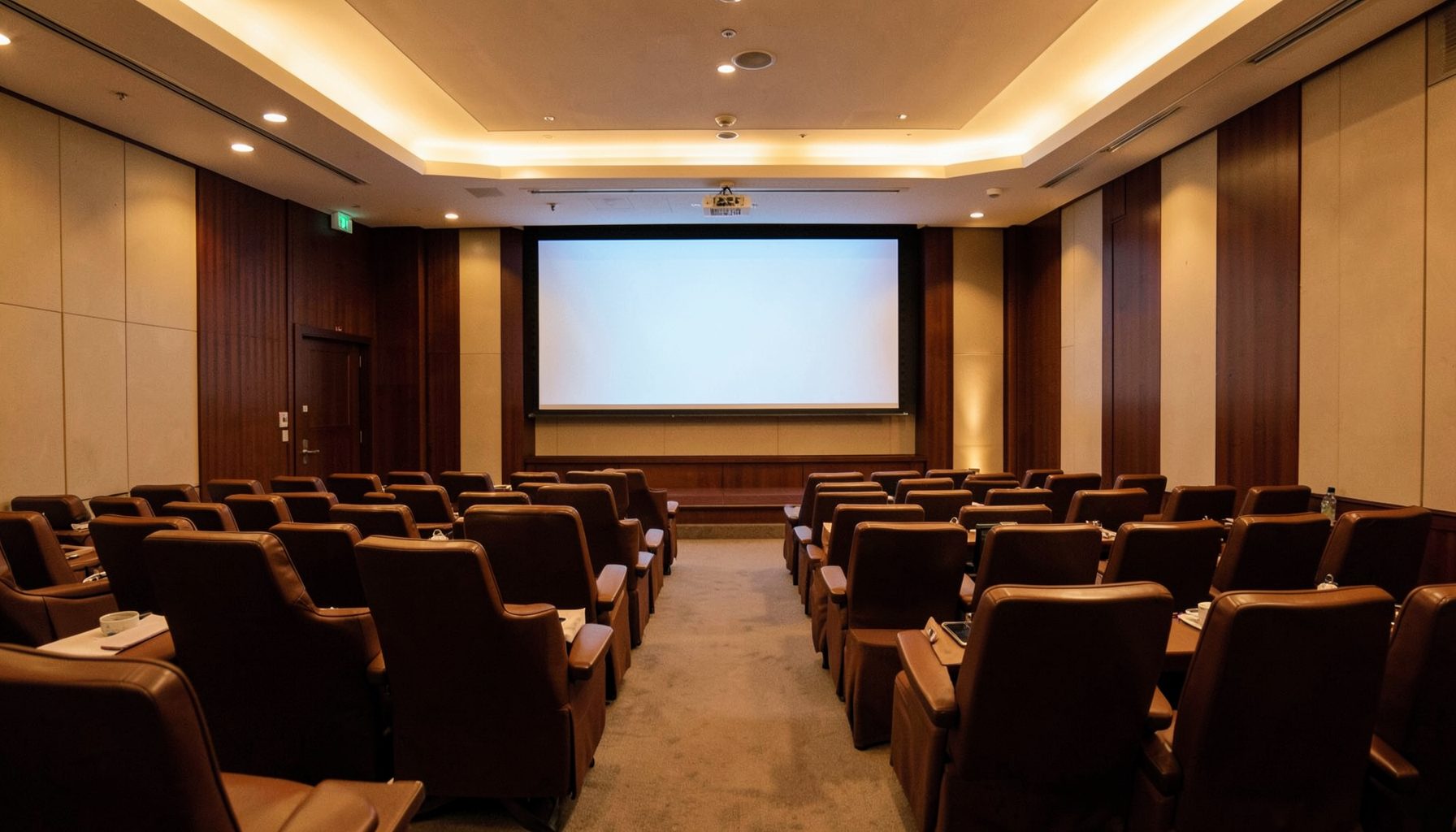
RSNA 2020: Comparing Hotel Amenities for Radiology Delegates
For radiology professionals travelling from Australia, hotel selection for RSNA 2020 involved more than finding a bed near the meeting venue. The right property needed to support early starts, professional networking, team coordination and recovery after a demanding scientific programme. Room type, breakfast hours, Wi-Fi quality and transport access could affect each day of the meeting.
The Radiological Society of North America’s Annual Meeting was scheduled for 29 November to 4 December 2020 in Chicago, bringing together radiologists, researchers, technologists, exhibitors and healthcare leaders. Delegates could choose from three-star, four-star and five-star accommodation, with group registration and room blocks helping teams stay close together.
For Australian attendees, the journey from Sydney, Melbourne, Brisbane or Perth added practical considerations. Long-haul flights, the time difference, unfamiliar winter conditions and corporate travel budgets made a clear comparison of amenities especially valuable.
Comparing Three-Star, Four-Star and Five-Star Hotels
Three-star hotels generally offered the essentials: a private room, reliable housekeeping, Wi-Fi and a practical location. They suited delegates spending most of the day at the conference and looking to control accommodation costs. For a hospital department sending several staff members, the lower nightly rate could make a significant difference.
Four-star properties typically added larger work areas, stronger business services, fitness facilities, room service and more flexible meeting spaces. Five-star hotels raised the standard further with concierge assistance, premium bedding, executive lounges, upgraded dining and highly responsive staff. These extras were most useful for speakers, senior clinicians, exhibitors and groups hosting private meetings.
Sleep Quality and In-Room Work Facilities
Jet lag can make the first few days in Chicago difficult for Australians, particularly when travelling from the east coast. Blackout curtains, quiet rooms, quality mattresses and climate control were valuable amenities for delegates adjusting from Australian Eastern Daylight Time to Central Standard Time. A property with 24-hour reception also helped those arriving late after international connections.
Radiology professionals often needed to review presentations, answer hospital emails or prepare notes between sessions. A proper desk, accessible power outlets, strong wireless internet and a comfortable chair were therefore more important than decorative features. A business centre or small lounge could provide a useful alternative when the room was too cramped for focused work.
Breakfast, Dining and Dietary Requirements
An early breakfast service was a practical advantage for delegates heading to the venue before the first plenary session. Hotels offering takeaway coffee, continental breakfast from 6 am or an all-day café helped guests manage tight schedules. Australians accustomed to a strong flat white may also have appreciated an on-site espresso bar, although hotel coffee quality varied considerably.
Group organisers needed to consider allergies, religious diets, vegetarian meals and medical restrictions before arrival. A team booking should identify whether the hotel restaurant can handle separate preparation, labelled buffet items and late meal requests. Guidance on managing group dietary restrictions could help Australian departments coordinate requirements before travelling.
Location, Transfers and Winter Convenience
A hotel near McCormick Place or a dependable shuttle route reduced commuting time and made it easier for delegates to return between sessions. Proximity to restaurants, pharmacies and convenience stores also mattered, especially for visitors unfamiliar with Chicago. In late November and early December, indoor access, coat storage, heated lobbies and covered transfer options were worthwhile considerations.
Transport planning should account for conference bags, presentation equipment and group movement. The principle is similar to checking a detailed waterfall access map: distance alone does not show how easy a route will be. Australian travellers should compare walking time, shuttle frequency, taxi availability and the likely effect of snow or icy conditions.
Facilities for Teams and Professional Meetings
Delegations often needed more than several adjacent rooms. A hotel with a boardroom, private dining area or flexible lounge could support briefings, research discussions and informal networking. Communal spaces were particularly helpful when colleagues wanted to compare sessions without returning to individual bedrooms.
For Australian hospitals and universities, transparent group billing was another important feature. Ask whether the property can provide consolidated invoices, individual payment options and clear cancellation terms. A room block with a named contact can reduce administrative work when staff arrive on different flights or when the final attendee list changes.
Practical Amenity Priorities for Delegates
The best hotel depended on the delegate’s role, budget and schedule. A first-time attendee might prioritise transport and breakfast, while a faculty member could place greater value on a quiet workspace and a private meeting room. Comparing amenities against actual daily needs prevented teams from paying for facilities they would never use.
Before confirming a room block, organisers could use this checklist:
- Confirm Wi-Fi speed, desk space, power access and mobile reception.
- Check breakfast hours, takeaway options and dietary accommodation.
- Compare walking routes, shuttle services and winter transport arrangements.
- Request group rates, flexible cancellation terms and consolidated billing.
- Verify fitness, laundry, meeting-room and luggage-storage facilities.
The lodging services information provided a useful starting point for comparing available accommodation categories and organising rooms for individuals or delegations. Reviewing those details early gave Australian teams more time to align hotel choices with travel approvals and departmental budgets.
Choosing a hotel for RSNA 2020 was ultimately a balance between price, location and professional comfort. Delegates who assessed sleep quality, connectivity, meals, transport and group support could arrive in Chicago prepared for the scientific programme rather than distracted by avoidable logistics. Begin by matching each traveller’s role to the amenities that will matter most, then secure suitable rooms and group arrangements before preferred properties fill.