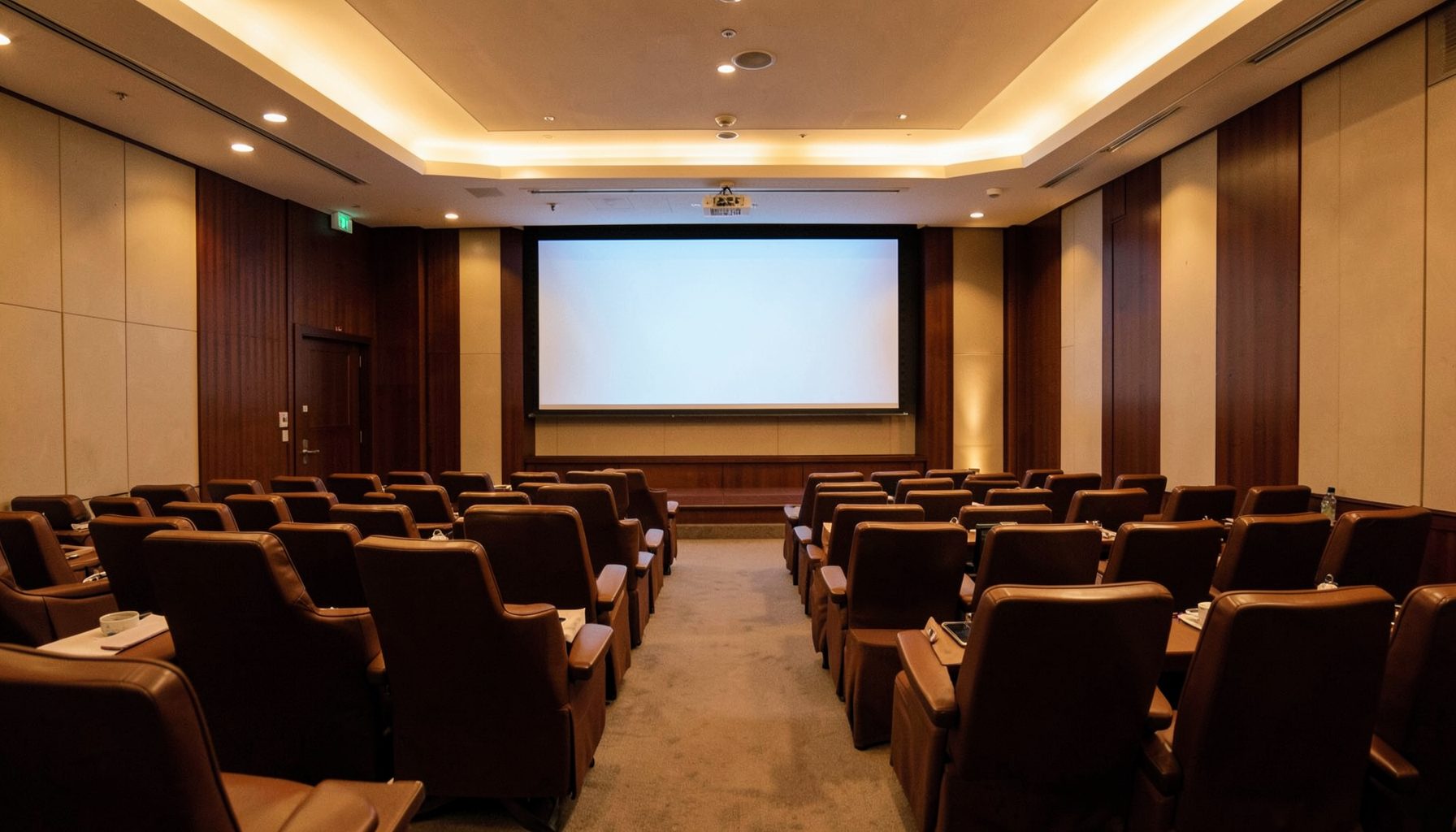
RSNA 2020 Hotel Rate Comparison Across Chicago Star Categories
RSNA 2020 convened at McCormick Place from 29 November to 4 December 2020, drawing thousands of radiology professionals from across the globe. For Australian delegates planning the long journey from Sydney, Melbourne, or Perth, securing suitable accommodation well in advance was a practical necessity rather than a luxury. The Windy City's hotel landscape ranges from efficient three-star properties near the conference venue to iconic five-star landmarks along the Magnificent Mile, each tier offering distinct advantages depending on budget, team size, and travel priorities.
Hospitality pricing in Chicago fluctuates significantly based on proximity to McCormick Place, room block availability, and the dates booked relative to the scientific assembly. Many radiology teams travelling from Brisbane or Adelaide found that comparing nightly rates across star categories revealed substantial differences, sometimes exceeding several hundred dollars per night for equivalent occupancy. Understanding these variations helps professionals allocate grant funds, departmental budgets, or personal expenses more effectively.
The booking platform supporting RSNA 2020 attendees offered negotiated rates with 3-star, 4-star, and 5-star hotels throughout downtown and the South Loop. This group registration service streamlined the process for solo practitioners, hospital teams, and large delegations alike. By examining the features and pricing of each category, attendees could make informed decisions that balanced cost, comfort, and convenience during a demanding week of sessions, workshops, and networking events.
Venue context and the importance of location
McCormick Place sits along the lakefront in the South Loop, a district that expanded its hotel capacity considerably in the years leading up to the meeting. Proximity to the convention centre reduces daily transit time, which matters when schedules include early-morning CME sessions and late-afternoon poster reviews. Hotels within walking distance or a short shuttle ride typically commanded a premium, yet that premium often translated into better rest and greater productivity for attendees.
Delegates flying in from Australian capital cities such as Canberra or Hobart faced jet lag that made a comfortable room particularly valuable. Choosing a property close to McCormick Place minimised the cognitive load of navigating Chicago's grid system after 17 hours in the air. The trade-off between rate and distance became one of the first decisions teams needed to make once travel dates were confirmed.
Three-star options for budget-conscious professionals
Three-star hotels near the conference offered functional rooms, reliable Wi-Fi, and essential amenities without frills. Nightly rates during the RSNA week generally started from a lower base compared to higher categories, making them attractive for solo registrants, junior researchers, and smaller practices watching every dollar. Many properties in this tier partnered with the booking platform to offer group rates that further reduced the per-room cost when blocks of ten or more were reserved.
These hotels typically sat a little farther from McCormick Place, often requiring a twenty-minute walk or one CTA train stop. For attendees open to exploring Chicago's neighbourhoods, that distance was a feature rather than a drawback, providing easy access to local dining in Chinatown or Greektown. Australian travellers accustomed to value-driven accommodation found this category familiar, similar to the limited-service hotels common around major conference centres in Sydney Olympic Park or the Melbourne Convention and Exhibition Centre precinct.
Four-star properties balancing comfort and cost
Four-star hotels represented the middle ground that most RSNA attendees gravitated toward. Rates reflected upgraded room sizes, on-site fitness centres, business lounges, and often a full-service restaurant on the property. Many four-star options sat within a ten-minute walk of McCormick Place or offered dedicated shuttle service during peak session hours, combining reasonable pricing with genuine convenience.
This category appealed strongly to hospital department heads coordinating travel for multiple team members. Booking a block of rooms at a four-star property signalled appreciation for staff while keeping within the travel allowances governed by Australian public sector frameworks and the Taxation Determination TD 2018/11 for reasonable travel expenses. The amenities supported both work and informal networking, with comfortable lobby spaces that often became impromptu meeting points between formal sessions.
Typical inclusions in this category:
- Spacious work desks with ergonomic seating
- Complimentary high-speed Wi-Fi throughout the property
- Access to a fitness centre and business centre
- On-site dining serving breakfast and dinner
These features allowed attendees to prepare presentations, conduct virtual consultations with colleagues back home, and maintain exercise routines disrupted by international travel.
Five-star experiences for executive delegations and industry partners
Five-star hotels near the Magnificent Mile and along the Chicago River delivered a different calibre of stay. Nightly rates were significantly higher, yet the package included spacious rooms, concierge services, premium dining, and often sweeping skyline or lake views. For industry partners hosting client meetings or for senior radiologists travelling on commercial budgets, this tier offered the privacy and infrastructure needed for high-level discussions away from the convention floor.
Many five-star properties in Chicago maintain loyalty programmes recognised by Australian travellers, allowing points accrued through frequent business trips to be applied toward the RSNA stay. The Australian Competition and Consumer Commission's guidelines on transparent pricing meant that the rates quoted through the official booking platform were fully itemised, with no hidden surcharges appearing at check-in. That clarity mattered when reconciling expenses against corporate entertainment budgets governed by the Income Tax Assessment Act 1997.
Advantages of group hotel booking and room blocks
Securing accommodation through a dedicated group hotel booking service delivered several practical benefits beyond the headline rate. The platform centralised reservations for an entire delegation, generated a single invoice for finance departments, and provided a single point of contact for changes or cancellations. For Australian teams managing complex itineraries involving multiple departure cities, this administrative simplification was often as valuable as the monetary savings.
Room blocks also protected groups from the rate spikes that occurred as the conference approached and inventory tightened. Hotels in all three star categories released a limited number of rooms to the official booking partner, meaning that late planners faced fewer options and higher prices. Teams that confirmed their requirements by mid-year typically secured the best combinations of rate, location, and room type across their preferred category.
Getting around Chicago during the meeting
Chicago offers a comprehensive transit system that most Australian attendees found straightforward after a short orientation. The CTA 'L' train and bus network connected hotel districts to McCormick Place efficiently, with the Metra Electric line providing a direct link from downtown stations to the convention campus. Rideshare services operated throughout the city, and the Divvy bike-share programme offered an active alternative for those with energy to spare after a full day of sessions.
For delegates interested in how other major cities approach sustainable urban transport, public bicycle systems have become a common feature worldwide, and resources explaining initiatives like the Hangzhou public bicycle guide show how different municipalities design their networks. Chicago's lakefront trail and grid streets made cycling a viable option for early-morning or post-conference exploration, weather permitting in late November.
Practical planning tips for Australian attendees
Booking flights from Australia to Chicago required careful consideration of arrival timing to allow recovery from the seventeen-hour journey. Delegates who arrived two days before sessions began generally performed better during the intensive programme. Currency fluctuations between the Australian dollar and US dollar also influenced the optimal booking window, with many finance teams advising that rates secured when the AUD traded above 0.70 USD delivered meaningful savings across a week of accommodation.
Australian travellers should also remember that US hotel pricing typically excludes taxes and resort fees, which can add 18 to 22 percent to the quoted nightly rate. Confirming the total cost inclusive of all mandatory charges upfront prevented budget surprises upon checkout. The official RSNA 2020 booking platform itemised these fees clearly, allowing accurate comparisons between star categories without guesswork.
Key budget considerations for the trip:
- Verify the GST implications for any reimbursable expenses under Australian Taxation Office rules
- Check whether your health insurance covers overseas medical costs or whether additional cover is required
- Account for tipping conventions, which add roughly 20 percent to restaurant and taxi costs
- Plan for at least one buffer day before returning to overcome jet lag
These factors combined could shift the apparent savings of a lower star category once the total trip cost was calculated.
Reserve your team's accommodation through the official RSNA 2020 platform today to access negotiated rates, flexible room blocks, and dedicated support for delegations of any size. The system accommodates solo registrants, hospital departments, and large international groups with equal efficiency, ensuring that every attendee finds a suitable base for the 2020 scientific assembly. Early confirmation guarantees the strongest selection across all three star categories before inventory is released to the broader market.