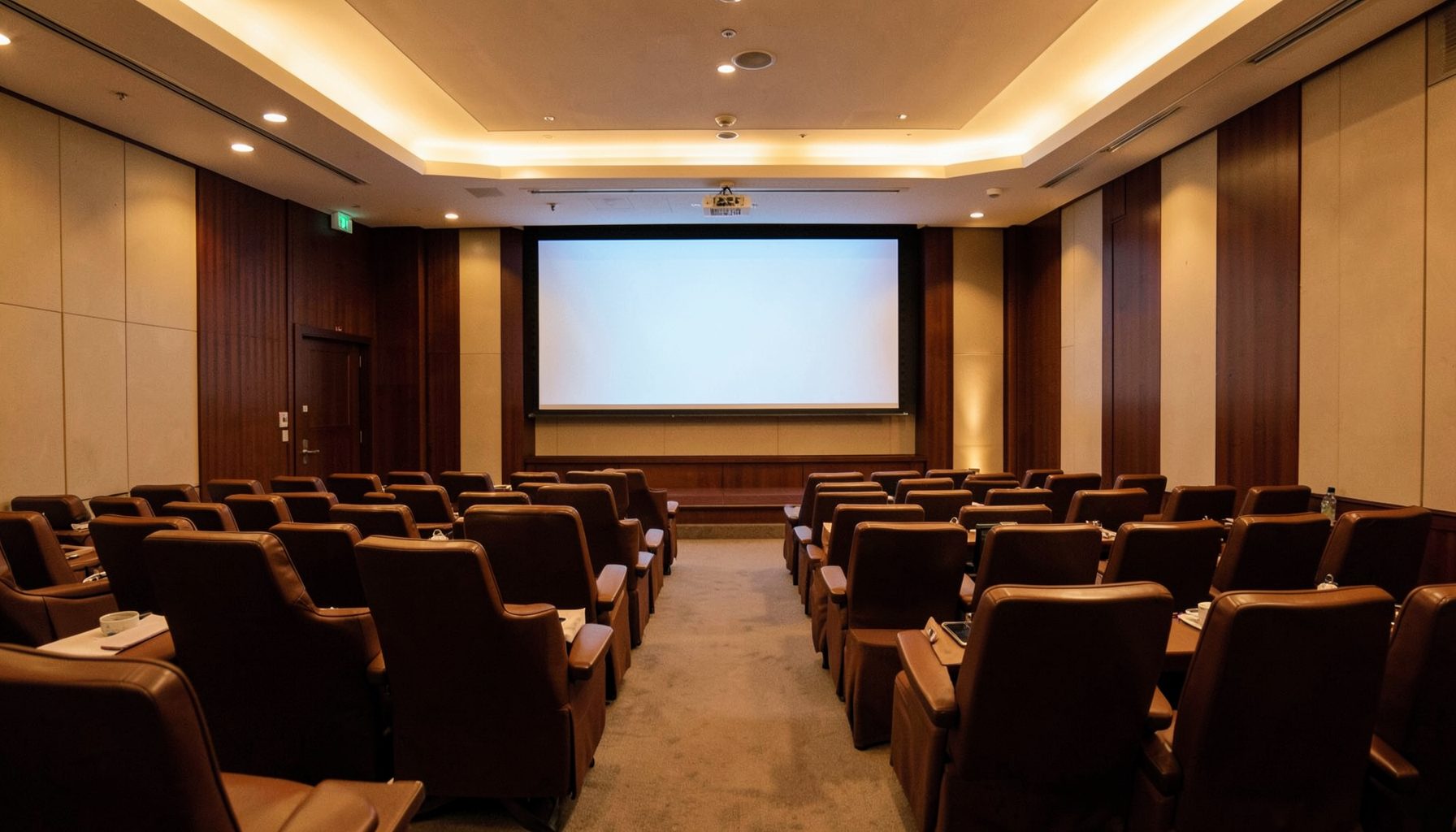
Streamlining group check-in for large delegations at RSNA 2020
The Radiological Society of North America's 2020 Annual Meeting in Chicago drew record international attendance, and the logistics of moving dozens of professionals through a single hotel lobby are rarely discussed openly. For Australian radiologists flying in from Sydney, Melbourne, Perth, or Brisbane, the challenge begins long before McCormick Place. Someone in the organising committee has already spent weeks negotiating room blocks.
Time zone mathematics is the first hurdle. When a group leaves Sydney on Saturday morning, they cross the date line and roughly 16 hours of flight time, arriving in Chicago the same day but with bodies still set to AEDT. Most Australian teams book Qantas flights through Los Angeles or San Francisco. Pre-assigning seats and locking check-in to a four-hour window reduces fragmentation.
Group check-in is not just a front desk transaction. It is the moment when a hospital department, a private imaging network, or a research consortium becomes visible to the hotel as a single entity. A misplaced name, a flight delayed by Chicago's winter winds, or a mismatched credit card can each cascade into a 45-minute lobby queue for the whole contingent.
This article walks through the practical steps a delegation lead can use, from registration email to final breakfast voucher, with attention to the quirks faced by Australian travellers moving a clinical team across the Pacific.
Pre-registration and rooming list precision
The master rooming list should exist in three formats: a PDF for printing, a CSV for the hotel's revenue manager, and a shared Google Sheet. Australian passports are prone to confusion because the surname appears first on the document but last in many booking systems; flipping the order in advance avoids an embarrassing front-desk argument.
Delegations flying from Melbourne to Chicago via LAX or SFO should standardise on a single check-in date. Hotels will typically release unused rooms from a block if 80 percent of the group has not checked in by 11 pm, which can leave a registrar without a bed. Locking the block with a credit card guarantee is the only reliable defence.
Working with hotel block managers
A 5-star property such as the Conrad or the Fairmont, and a 3-star property near the conference shuttle, will each assign a block manager. Weekly email updates from 90 days out, a single point of contact on the Australian side, and a courtesy call the week before arrival keep the relationship warm. Australian clinical leads often underestimate how much the hotel values early visibility, because back home they deal with travel desks inside the same institution.
For delegations of 40 or more, a dedicated check-in desk in the lobby is usually achievable if requested 30 days in advance. The desk should be staffed from 2 pm on the primary arrival day, with a printed list and a welcome pack containing the RSNA shuttle timetable and a map of the McCormick Place floor plan.
Airport-to-hotel logistics
Chicago O'Hare is the preferred arrival point for most Australian groups because it offers a wider choice of connections and tends to be the Qantas code-share hub. The 45-minute transfer depends on traffic and weather, and a convoy of taxis rarely arrives together. Pre-booking a single coach for the entire delegation lets the lead do a quick headcount before anyone enters the hotel queue.
If the delegation is split across multiple flights, a holding room near the lobby with tea, coffee, and a luggage store becomes essential. Australian travellers are used to flat whites and proper long blacks, so a hotel that stocks a commercial espresso machine will earn quiet gratitude.
On-site check-in workflow
The ideal workflow is a three-stage process. Stage one is a quick document check at the door of a private meeting room. Stage two is the front-desk swipe, done in batches of six. Stage three is the luggage handoff in the rooming corridor, where a bellhop escorts the first wave and the rest follow on a second trip.
Delegations from Brisbane or Adelaide should be reminded that Chicago hotels often require a physical credit card and a government ID at check-in, which is stricter than the policy at most Australian hotels. A small laminated card explaining the Australian passport format, held at the front desk, can save ten minutes.
Dietary, accessibility, and wellbeing considerations
Australian radiology teams are increasingly diverse, and meal requests should reflect that. Gluten-free, vegan, halal, and lactose-free options are now standard in any 4-star or 5-star property, but the lead should still email the catering manager a list of specific allergies, particularly nut allergies, which are more prevalent in Australia.
Time zone adjustment is the elephant in the room. Chicago is 17 hours behind AEDT in early December, so a 7 am keynote feels like midnight to the Australian brain. The official guide for international attendees recommends a strict light-exposure protocol and a melatonin schedule circulated at least a week before departure.
Communication protocols for large groups
A single WhatsApp or Signal group, created 30 days before departure and used exclusively for logistics, beats a sprawling email chain. Pins should include the hotel address, the shuttle phone number, the lead's local mobile, and a 24-hour emergency contact. Australian groups often default to a separate thread for social chat, which keeps the logistics thread useful.
For the conference itself, daily check-ins at the hotel lobby at 7:30 am and 5:30 pm become the social anchor of the week. They are also the moment when the lead can redistribute session passes and gently nudge anyone who looks jet-lagged towards a proper meal.
After check-in: settling in for the week
The first 24 hours in Chicago set the tone. A quick walk along the Lakefront Trail on Sunday morning, a group dinner at a local steakhouse on Sunday evening, and a pre-dawn breakfast on Monday before the keynote all help the body clock adjust. Australian delegates often report that the single most useful thing they did was swap to Chicago time the moment they boarded the plane.
For delegations that want a quieter base, a 3-star property near the McCormick Place shuttle route can be a better fit. These properties typically have less ornate lobbies, but they also have faster check-in and a closer walk to the venue on cold December mornings. Conference partners familiar with Australian group needs often recommend these options to mid-sized contingents.
| Check-in approach | Best for | Setup time |
|---|---|---|
| Individual front-desk check-in | Groups of 5 or fewer | Low |
| Pre-assigned batch check-in | Groups of 6–25 | Medium |
| Dedicated group desk in lobby | Groups of 26–60 | High |
| Staggered arrival windows | Groups split across flights | High |
Documents the lead should bring to the front desk:
- Printed rooming list with passport numbers
- Signed credit card authorisation for incidentals
- Welcome packs with shuttle timetable and venue map
- Emergency contact sheet for the delegation
Quick communication checklist for the lead:
- Create a single group chat 30 days out
- Pin the hotel address and shuttle number
- Share the lead's local mobile number
- Schedule daily 7:30 am lobby meet-ups
Book your block, lock the arrival window, and let the group registration team handle the paperwork so your team can focus on the science.