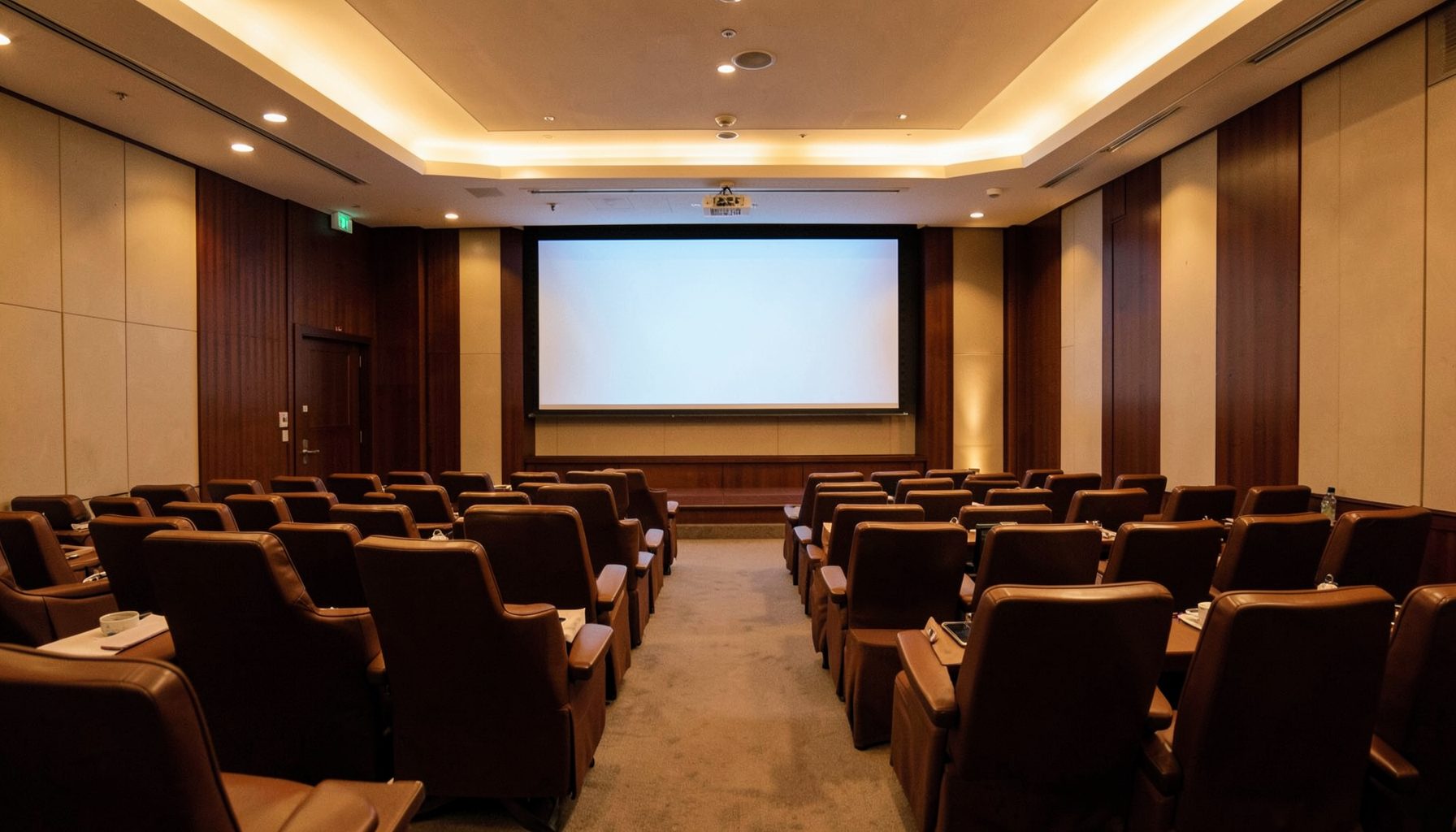
RSNA 2020 quiet-room requests for focused work
RSNA 2020 took place from 29 November to 4 December 2020, bringing radiology professionals, teams and delegations to Chicago for a demanding scientific programme. Between sessions, delegates need a dependable place to review images, prepare slides or join calls with colleagues overseas. Learn more about Kak Pravil No Oformit Elektronnyi Bilet Na Poyezd.
The RSNA accommodation service handled hotel bookings and group registration across 3-star, 4-star and 5-star properties, with room blocks and competitive rates. Quiet-room preferences work best when they enter the booking process before rooms are assigned.
A request for a quiet floor or room for focused work should identify likely sources of noise and the facilities needed for concentration. Ask early, supply precise wording and keep written confirmation with the reservation record.
Why location affects focused work
Large radiology gatherings create predictable noise around hotels: lifts, ice machines, housekeeping cupboards, group check-in desks and early breakfast queues. A room beside any of these can make remote calls difficult, even when the bed and mattress are comfortable.
A quiet request is therefore about access and routine as much as silence. Seek a low-traffic floor, a room away from event spaces, blackout curtains and a clear Do Not Disturb policy. Give preferences rather than absolute guarantees, since room placement depends on occupancy and hotel operations.
Make a precise quiet-room request
Start with the booking service or group coordinator, because the chosen hotel controls room assignments. Include your name, RSNA registration details, arrival date, preferred property and the exact request you want attached to the reservation.
Useful wording is specific: “Could you please place me on a quiet floor away from lifts, ice machines and group desks, and provide a room with a desk, reliable Wi-Fi, blackout curtains and a door that closes firmly?” This gives staff clear points to check.
Send the request before the booking closes, then reconfirm it with the hotel shortly before arrival. Ask for confirmation of the floor, nearby facilities and expected check-in time. If one person in a delegation needs stricter silence, identify that requirement without assuming it applies to the whole group.
Specify a room that supports work
Beyond a quiet location, request a suitable work surface, comfortable chair, strong Wi-Fi, accessible power outlets and a reading lamp. A small quiet-fridge or reliable coffee-making facilities can reduce trips to a busy communal area, while earplugs and a white-noise app provide useful backups.
Australian electrical standards add another layer of planning: common Australian appliances use 230V and Type I plugs, while Chicago supplies 120V with Type A and B sockets. Bring a suitable adaptor and check laptop chargers rather than assuming a US socket will accept an Australian plug.
Delegates combining RSNA with an onward European rail journey can also keep their documents orderly by following electronic travel ticket formatting guidance. Store the itinerary, hotel confirmation and travel details in one accessible folder for online check-in and urgent changes.
Coordinate Chicago with Australian working hours
McCormick Place anchors the meeting, but focused work continues at the hotel. After a busy session block, an evening Riverwalk stroll can provide a useful change of scene without taking delegates far from central hotels, especially when the next call is still hours away.
Plan remote calls around Australian time differences. Brisbane is normally 16 hours behind Chicago in early December, while Sydney and Melbourne are 17 hours behind while on AEDT. Confirm each delegate’s home zone and schedule calls that do not quietly become late-night commitments.
A direct, low-friction request is effective. Australian travellers may say, “Could I possibly get a room away from the lift and the ice machine?” For a formal booking email, use the same courtesy but name the features, dates and confirmation you need. Compare the total cost in AUD, because Chicago properties normally charge in USD and Australian card fees can change the final rate.
Compare accommodation choices before requesting silence
Room blocks at 3-star, 4-star and 5-star hotels serve different budgets and work routines. Compare the location, workspace and likely event traffic, not just the nightly price.
| Accommodation option | Best suited to | Quiet-work advantage | Points to confirm |
|---|---|---|---|
| 3-star hotel | Delegates with daytime schedules | Lower cost and practical facilities | Desk, Wi-Fi and distance from lifts |
| 4-star hotel | Professionals balancing comfort and value | Broader room categories and transport options | Workspace, group placement and nearby event spaces |
| 5-star hotel | Delegates needing more space and privacy | Better privacy and on-site services | Higher cost and potential public-area crowds |
| Group room block | Teams and delegations | Coordinated booking and negotiated rates | Separate floor or quiet work lounge |
Even a confirmed request cannot prevent an overbooking. Keep hotel overbooking guidance handy, then contact the booking team and property immediately if your room is unavailable. Ask whether an earlier arrival, later departure, different room category or nearby alternative can preserve the quiet-work plan.
Agree on a backup property before the group arrives, and keep the booking desk contact available after check-in. If a move is unavoidable, compare travel time to McCormick Place and verify that the replacement room has a desk, strong Wi-Fi and the same distance from lift and ice-machine noise.
Complete the quiet-work checklist
Use these brief checks to turn a general preference into a workable hotel request.
Before booking
- Confirm the RSNA dates, arrival time and preferred room category.
- Attach the quiet-floor wording to the reservation.
- Request a desk, reliable Wi-Fi and blackout curtains.
- Compare the final AUD cost, deposit and cancellation terms.
On arrival
- Test Wi-Fi, power outlets and the room door immediately.
- Use a Do Not Disturb sign and keep devices muted.
- Report persistent noise before the evening event schedule begins.
- Keep the booking team’s contact details available for corrections.
Make the request part of the reservation rather than a conversation at the front desk. Provide your preferred property, dates, room type and the wording above to the RSNA 2020 booking and group-registration team, and require a response before treating the quiet-room request as confirmed.