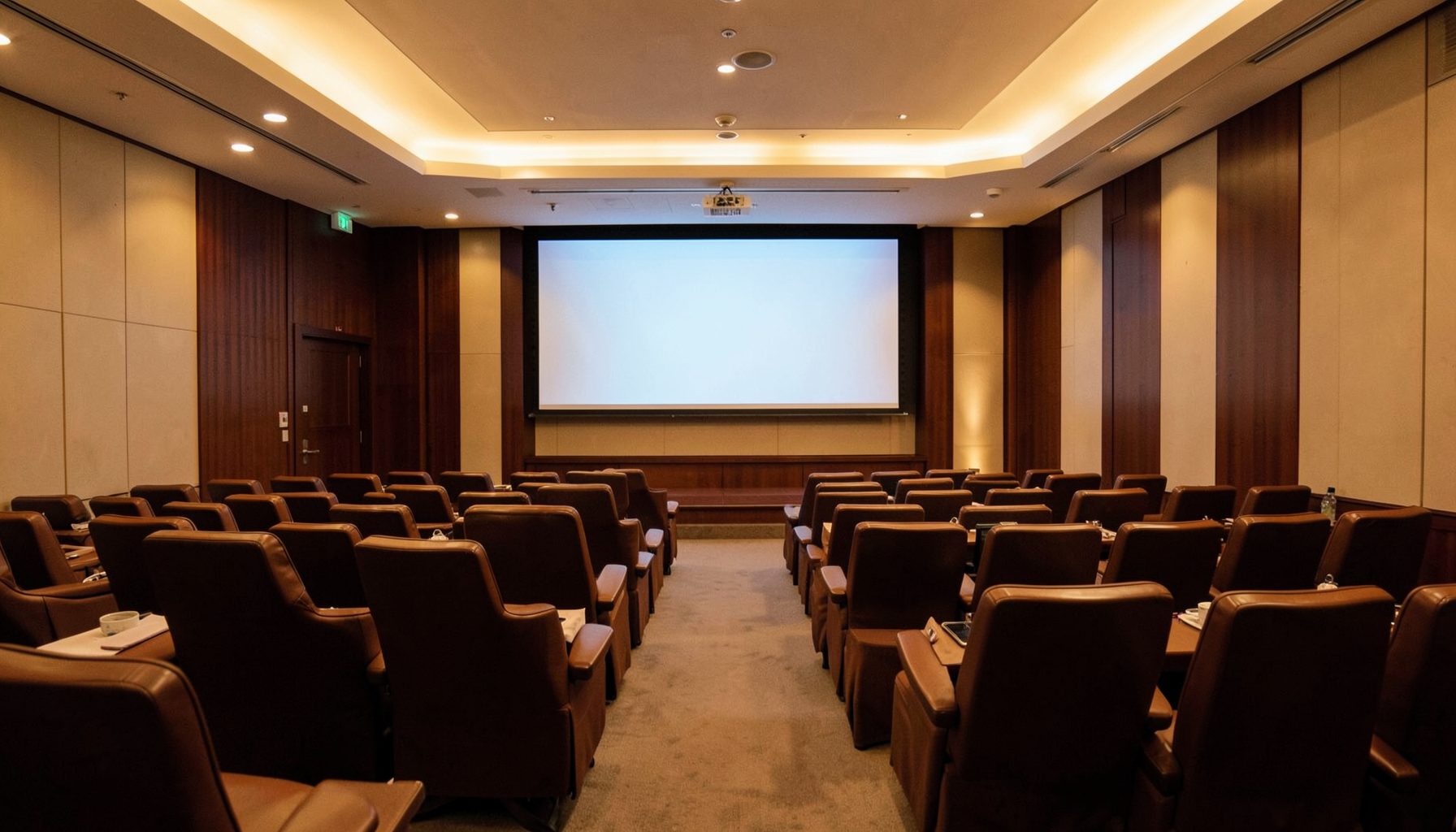
What to expect at the RSNA 2020 opening ceremonies
The RSNA 2020 Annual Meeting was scheduled for 29 November through 4 December 2020, bringing together radiologists, researchers, technologists, educators, and industry professionals for the Radiological Society of North America’s scientific assembly. The event was planned around the McCormick Place convention campus in Chicago, a familiar setting for RSNA’s large international gathering.
The 2020 meeting took place during an exceptional period for healthcare. As a result, participants needed to pay close attention to the official event format, programme announcements, and access instructions rather than relying on the usual assumptions about a large in-person convention. The RSNA 2020 website provided a central reference for meeting information, registration, accommodation, and programme details.
For attendees considering the opening ceremonies, the main expectation should be a formal welcome to the annual assembly, an overview of the week’s scientific focus, and guidance on how to make the most of the sessions, exhibits, and professional networking opportunities.
A formal welcome to the annual meeting
The opening ceremony traditionally establishes the tone for the entire RSNA programme. It gives society leadership an opportunity to welcome delegates, recognize the international scope of radiology, and frame the scientific and educational priorities of the meeting.
Participants could expect remarks connected to the changing role of medical imaging, advances in diagnosis and treatment, and the importance of collaboration across radiology specialties. The opening event also served as a transition from registration and orientation into the full programme of lectures, case-based learning, research presentations, and professional activities.
Key messages from RSNA leadership
A central part of the opening proceedings would be expected to come from RSNA officers and meeting leaders. These remarks generally focus on the society’s work, the development of imaging practice, and the issues affecting radiologists in hospitals, private practices, academic institutions, and research environments.
The 2020 meeting also carried the context of a rapidly changing healthcare system. Imaging departments were adapting to new operational pressures, evolving clinical priorities, and wider adoption of digital communication. Opening remarks were therefore likely to emphasize resilience, innovation, education, and the value of a connected radiology community.
A digital-first experience for attendees
Although Chicago remained the planned host city, RSNA 2020 required attendees to review the delivery format carefully. The meeting was held virtually in response to the COVID-19 pandemic, changing how delegates experienced the opening event and the wider scientific assembly.
Instead of moving through a convention center, participants accessed sessions through an online meeting environment. This meant that the opening ceremony could be viewed from a home office, hospital workstation, or another location with a reliable internet connection. Digital participation also made it important to check login details, session times, technical requirements, and any differences between live and on-demand content.
| What attendees could anticipate | Why it mattered |
|---|---|
| Welcome from RSNA leadership | Set the direction and priorities for the meeting |
| Scientific and professional themes | Connected the ceremony with the week’s educational content |
| Online access instructions | Helped participants join sessions without an on-site badge or venue route |
| International participation | Supported engagement across different regions and time zones |
| Programme orientation | Made it easier to plan lectures, exhibits, and networking |
A preview of the scientific programme
The opening ceremonies were expected to lead naturally into the broader educational agenda. RSNA’s annual meeting is known for a wide range of content, including clinical imaging, artificial intelligence, oncology, emergency radiology, interventional procedures, physics, informatics, and quality improvement.
Attendees could use the opening programme as a guide to the themes most relevant to their work. A radiologist building expertise in artificial intelligence might prioritize sessions on machine learning and workflow integration, while a trainee could focus on foundational education, career development, and case reviews. The event’s scale made advance scheduling especially valuable.
The ceremony itself was not intended to replace the technical programme. Its purpose was to provide context, recognize the profession, and prepare participants for several days of concentrated learning and exchange.
Recognition, community, and professional connection
Large medical meetings are also important for professional identity. Opening events often highlight the contributions of radiologists, scientists, educators, technologists, and healthcare teams whose work supports patient care and research. Recognition may include references to society achievements, educational initiatives, awards, or the accomplishments of members.
For international delegates and group participants, the ceremony offered a shared starting point even when attendance was remote. Teams from hospitals, universities, and imaging companies could use the event to align their schedules and identify sessions worth attending together. The virtual format changed informal encounters, but it did not remove the value of professional connection.
How to prepare before the ceremony
A smooth opening-day experience depended less on navigating Chicago and more on preparing for online participation. Delegates should review the published timetable, allow time for sign-in, and confirm that their device, browser, audio, and internet connection were ready.
Useful preparation steps included:
- Save the ceremony time in the correct local time zone.
- Check registration credentials and platform access before the event begins.
- Review the first day’s scientific sessions and mark priority presentations.
- Use headphones and a quiet workspace for clearer audio and fewer interruptions.
- Keep the programme and any technical support information readily available.
Those who originally planned to attend in person might also have needed to revisit accommodation arrangements and group travel plans. The meeting’s hotel services had been designed to support radiology professionals, teams, and delegations staying in Chicago, with options across three-, four-, and five-star properties. Once the event format changed, participants needed to confirm which bookings or travel arrangements still applied.
The opening ceremonies of RSNA 2020 were therefore best understood as both a welcome and a orientation point for an unusual annual meeting. They connected society leadership with the scientific programme while introducing attendees to a digital way of learning, sharing research, and maintaining professional relationships.
Review the official meeting information, organize your schedule, and prepare your online setup before 29 November 2020 so you can begin the RSNA scientific assembly with confidence and make full use of the sessions that matter most to your practice.