What to pack for RSNA 2020 in late November
Chicago in late November calls for practical layering rather than a single heavy outfit. Temperatures can shift noticeably between a calm afternoon and a windy morning, especially near Lake Michigan. Visitors attending the RSNA 2020 Annual Meeting from 29 November to 4 December needed clothing that could handle cold streets, indoor venues, and changing winter conditions.
The Radiological Society of North America’s annual scientific assembly brought radiology professionals, teams, and delegations together for several busy days. A thoughtful packing list could make the journey between a hotel, McCormick Place, restaurants, and evening events considerably more comfortable.
Accommodation planning was another important part of preparing for the meeting. Delegates arranging rooms for colleagues or larger groups could use the group hotel booking service to organize stays close to the event and choose from different hotel categories.
Check the late-November forecast
Chicago’s typical late-November temperatures are cool to cold, with daytime highs often around 40–45°F (4–7°C) and overnight lows frequently near 25–32°F (-4–0°C). These averages are useful for planning, but the city can experience warmer afternoons, freezing rain, early snow, or a sharp cold snap during the same week.
Wind is often the biggest factor. A temperature that seems manageable on a weather app may feel much colder when air moves along the lakefront or through downtown streets. Check the forecast shortly before departure and adjust the weight of your coat, footwear, and accessories accordingly.
Build an adaptable clothing system
A three-layer approach works well for conference travel. Start with a breathable base layer, add a warm sweater or fleece, and finish with a wind-resistant coat. This combination provides flexibility when moving between chilly sidewalks, heated shuttle buses, hotel lobbies, and crowded meeting rooms.
Pack enough professional clothing for several days, but choose pieces that coordinate easily. Dark trousers, wrinkle-resistant shirts, knit dresses, and smart cardigans can move from educational sessions to dinner without requiring a complete change. A compact garment folder or packing cubes can help keep presentation-ready clothing organized.
Pack for cold streets and heated venues
A warm winter coat is the most important item for Chicago weather in late November. Look for insulation, a windproof outer layer, and enough room to wear a sweater underneath. A hood is useful during wet or snowy weather, while a water-resistant finish protects clothing during brief showers or melting snow.
The following items cover the most likely conditions without making luggage unnecessarily heavy:
| Item | Why it matters | Useful features |
|---|---|---|
| Insulated coat | Protects against cold and wind | Water-resistant shell, hood |
| Layering tops | Helps regulate body temperature | Merino wool, fleece, or thermal fabric |
| Comfortable boots | Supports long days on foot | Waterproof finish, non-slip sole |
| Scarf, gloves, and hat | Limits heat loss outdoors | Compact, wind-resistant materials |
| Compact umbrella | Handles rain or wet snow | Small, sturdy construction |
Choose footwear carefully because conference attendees may walk farther than expected between accommodation, transport stops, and meeting spaces. Waterproof leather boots or weatherproof walking shoes with good traction are better than thin dress shoes. Bring an extra pair of professional shoes if formal appointments are scheduled.
Prepare for conference-room comfort
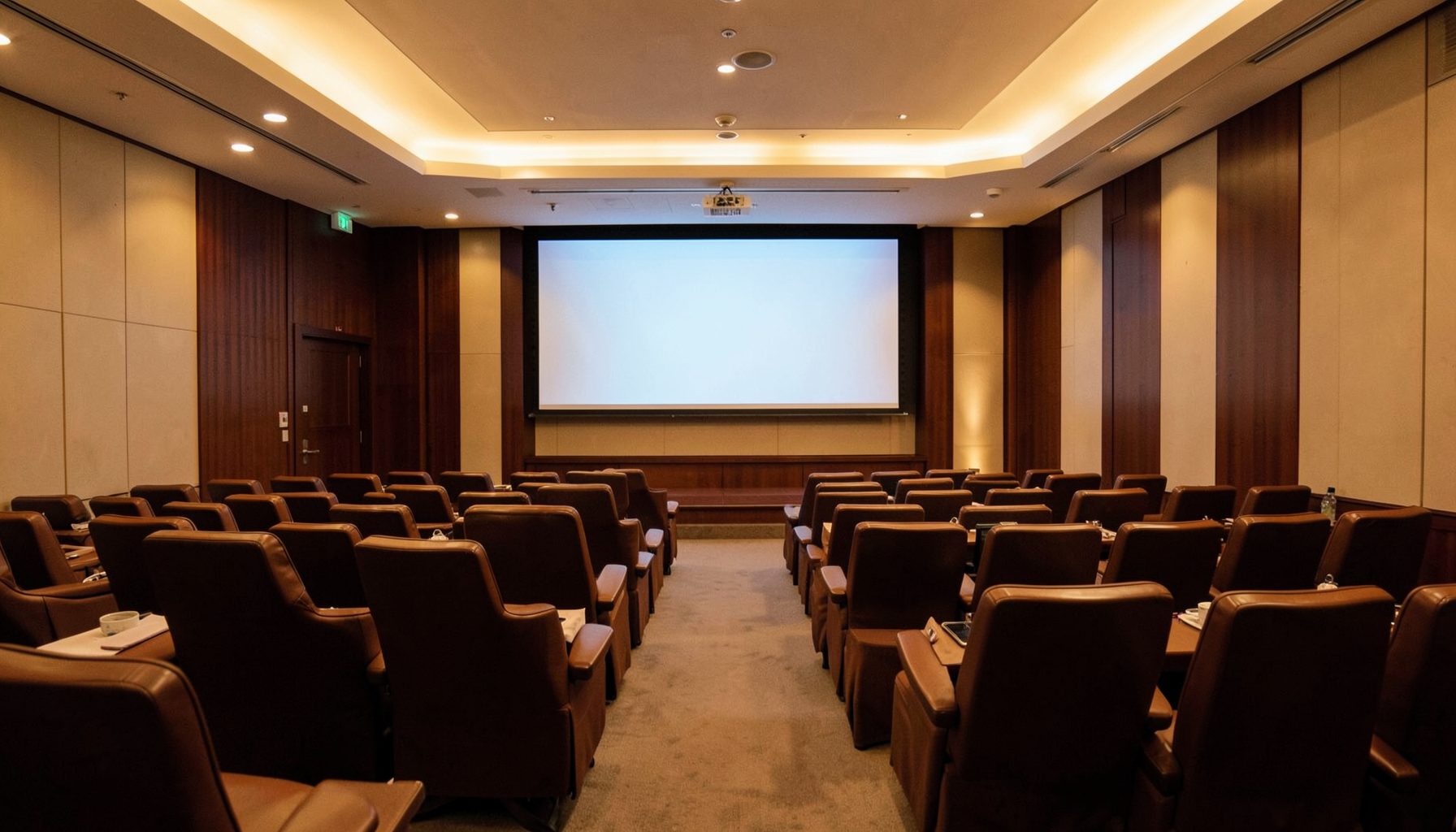
Large convention facilities can feel warm compared with the outdoors, and rooms may vary in temperature. A lightweight cardigan, vest, or zip-up fleece is easier to remove than a bulky sweater. This is especially useful for attendees spending long periods in scientific sessions, presentations, or networking areas.
Business cards, identification, a phone charger, and a compact notebook should have a dedicated place in a work bag. Add a reusable water bottle, hand sanitizer, tissues, and a few snacks for long programme days. A padded sleeve can protect a laptop or tablet while moving through busy venues.
Choose accessories for winter travel
Cold-weather accessories take up little space but make a substantial difference. A hat that covers the ears, insulated gloves, and a scarf that blocks wind can make outdoor walks much more comfortable. Touchscreen-compatible gloves are convenient when checking maps, transport updates, or meeting schedules.
An extra pair of socks is worth packing in case footwear becomes damp. Lip balm and moisturizer can help with dry winter air, while sunglasses remain useful on bright days when low sun reflects from wet pavement or snow. Keep medication, travel documents, and essential electronics in carry-on luggage rather than checked baggage.
Keep the luggage practical
Conference travel is easier with one organized suitcase and a smaller personal bag. Place heavier layers near the wheels, use packing cubes for clothing categories, and keep one complete outfit accessible in case checked luggage is delayed. A foldable tote can carry printed materials or purchases without adding much weight on the outbound journey.
Before leaving, review the meeting schedule, hotel location, transport arrangements, and the expected forecast. A final check helps determine whether you need heavier thermal layers, rain protection, or simply a warmer mid-layer. Packing with both outdoor exposure and indoor conference comfort in mind allows you to focus on the RSNA programme rather than the weather.
Use this checklist before closing your suitcase:
- Insulated, water-resistant coat
- Warm mid-layer and breathable base tops
- Waterproof walking shoes or boots
- Hat, scarf, and gloves
- Professional outfits that resist wrinkles
- Charger, identification, medications, and travel documents
A well-planned wardrobe can cover Chicago’s variable conditions from 29 November through 4 December without overpacking. Select versatile layers, protect your feet from cold and moisture, and leave room for the practical items that support long meeting days. Prepare your clothing and travel essentials before departure so your RSNA 2020 experience begins comfortably and stays focused on learning, professional connections, and the annual scientific assembly.